How to Use a Pilates Reformer: A Guide to Studio Safety and Operation
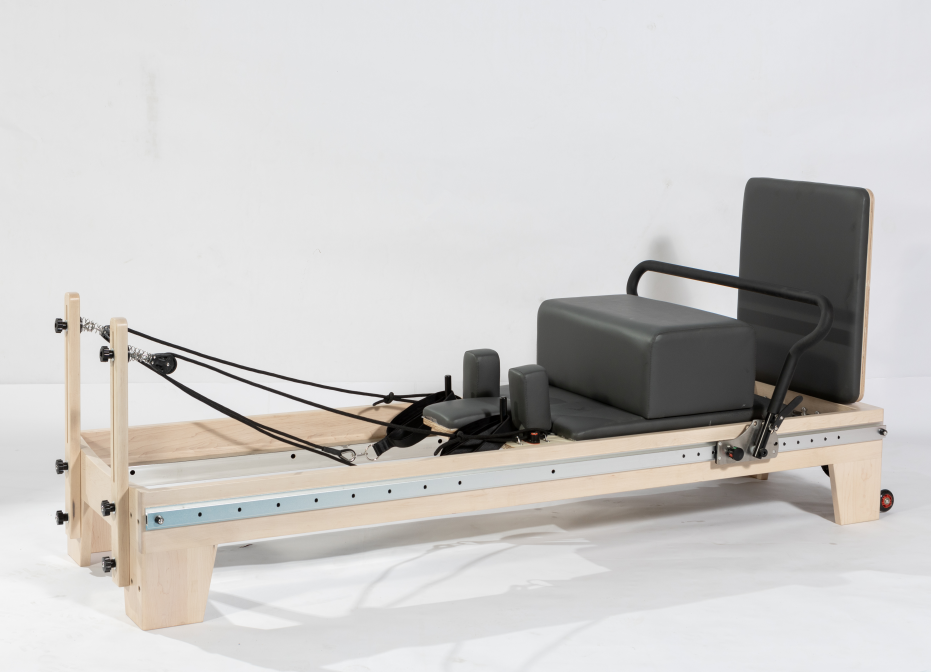
However, learning how to use a Pilates reformer is surprisingly intuitive when the machine is built correctly. For studio owners and instructors, teaching clients to operate the machine safely is the top priority. A well-engineered commercial reformer actively reduces safety risks and makes teaching much easier.
Let us break down the four basic operations of a reformer, and explain why premium factory manufacturing is the key to a safe, seamless client experience.
1. Adjusting the Springs (The Resistance Engine)
The springs dictate the resistance of the workout. Instructors will constantly ask clients to add or remove springs during a class.
-
How to Use It: Springs are color-coded to indicate tension levels (typically red/green for heavy, blue/yellow for light). To adjust, the user simply unhooks a spring from the gearbar and hooks a new one in its place.Clink here to learn more about different color of spring mean.
-
The Manufacturing Difference: Adjusting springs should never feel dangerous. Cheap carbon springs can snap back or slip off the bar. Our commercial reformers utilize precision-engineered gearbars and fatigue-tested imported springs. They hook securely into place, ensuring clients can change resistance smoothly without the fear of the spring slipping and causing injury.
2. Setting the Footbar Safely
The footbar is the primary contact point for the feet during leg presses and the hands during planking exercises.
-
How to Use It: Instructors will cue users to raise or lower the footbar depending on their height and the specific exercise. You must always ensure the bar is securely locked into its slot before putting weight on it.
-
The Manufacturing Difference: A slipping footbar is a massive liability for a studio. We engineer our machines with a heavy-duty locking mechanism. Whether a client is performing a light footwork warm-up or a heavy, dynamic jumpboard routine, our solid hardware guarantees the bar will never collapse under pressure.
3. Mounting the Carriage and Using the Straps
Getting onto the sliding carriage requires balance and a basic understanding of the machine's movement.
-
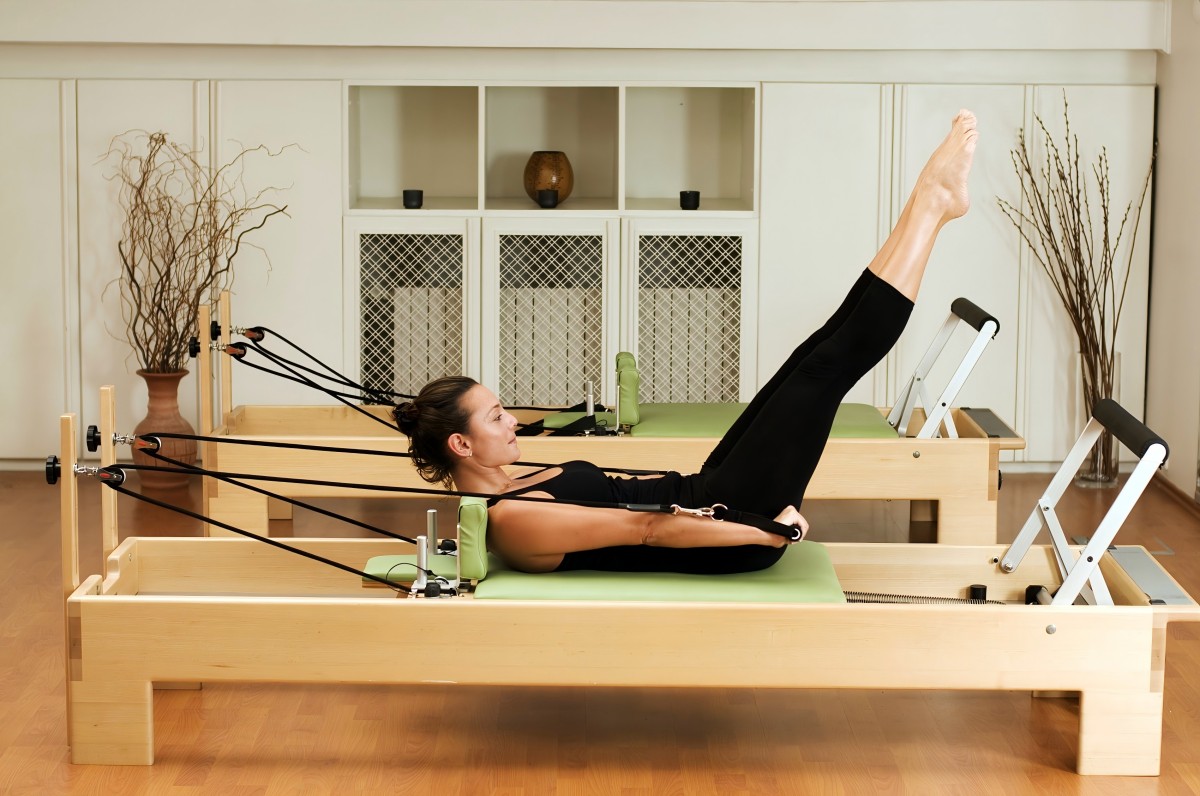
How to Use It: Rule number one: never step onto an empty carriage. Always ensure at least one spring is attached to keep the carriage stable. Once lying down, the user grabs the straps. Most commercial machines use double loops—the smaller loop is for the hands, and the larger loop is for the feet.
-
The Manufacturing Difference: Beginners are often afraid the carriage will violently slide out from under them. Our equipment utilizes a customized 8-wheel or 10-wheel silent track system. This eliminates lateral wobbling. When a client gets on our machine, it feels grounded, incredibly stable, and whisper-quiet, instantly boosting their confidence.
4. Adjusting the Headrest and Shoulder Blocks
Proper spinal alignment is the core of Pilates, making headrest adjustments a crucial step before starting a session.
-
How to Use It: The headrest sits between the shoulder blocks. It can usually be laid flat or propped up. Users should raise the headrest to support the cervical spine during footwork, but always lay it totally flat during exercises where the hips are lifted into the air (like the short spine massage).
-
The Manufacturing Difference: Constant adjustment wears down cheap padding. We manufacture our headrests and shoulder blocks using high-resilience EVA foam wrapped in 1.2mm Microfiber Leather. This provides firm, anatomical support while remaining completely sweat-proof and easy to sanitize between classes.
5. Why Equipment Quality Makes Instructing Easier
For a B2B studio owner, the equipment is your silent business partner. If a machine is clunky, instructors waste valuable class time helping clients fight with sticky springs and wobbly footbars.
When you invest in premium, factory-direct machinery, the operation becomes frictionless. Instructors can focus entirely on teaching form and posture, knowing the hardware is fully supporting the client's safety.
Equip Your Studio with the Best
Understanding how to use a Pilates reformer begins with flawless mechanical engineering. You want machines that your clients love to use and your instructors love to teach on.
Operating directly from the Tianjin port hub, we manufacture top-tier commercial Pilates equipment. We combine extreme durability with intuitive, safe designs, ensuring your studio runs smoothly and profitably.
Ready to upgrade your studio's equipment? Send an email to Naisen and our Tianjin export team today. Request our complete B2B wholesale product catalog, review our safety testing reports, and secure your direct factory quote!
what do the spring colors mean in pilates reformer
Buying a Pilates Reformer from China: The Ultimate B2B Sourcing & Import Guide
Related Article