Wood vs Metal Pilates Reformer for Home Use Comparison
When bringing the premium Pilates studio experience into your own living room, the first major decision you face is selecting the frame material. The debate between classic timber and modern alloys is ongoing.
To help you make an informed investment, we have compiled a detailed wood vs metal pilates reformer for home use comparison. By understanding the engineering and design philosophy behind each material, you can select the perfect machine for your personal fitness goals and home environment.
Wooden Pilates Reformers for Home Use
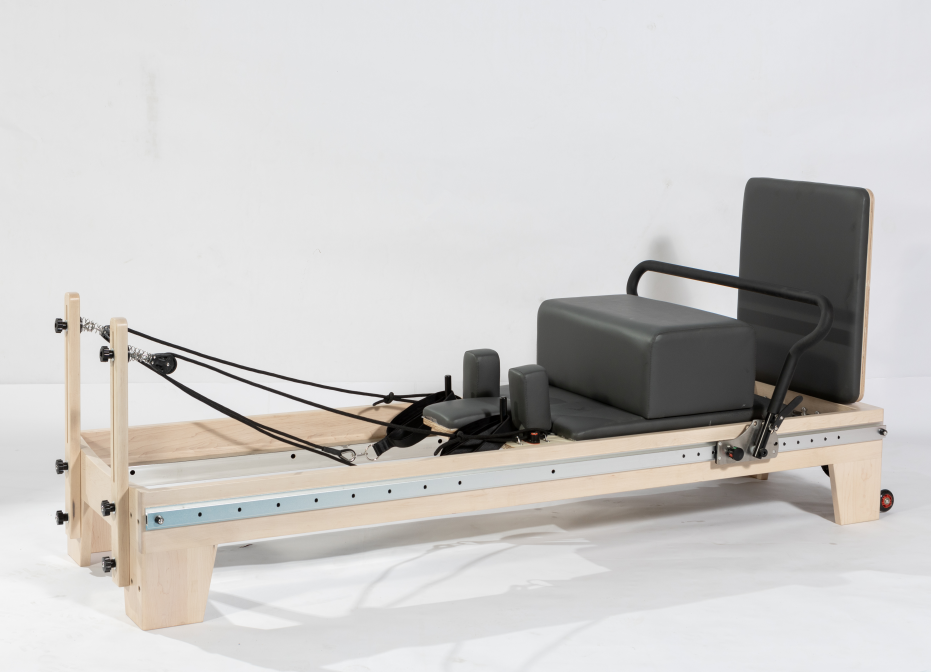
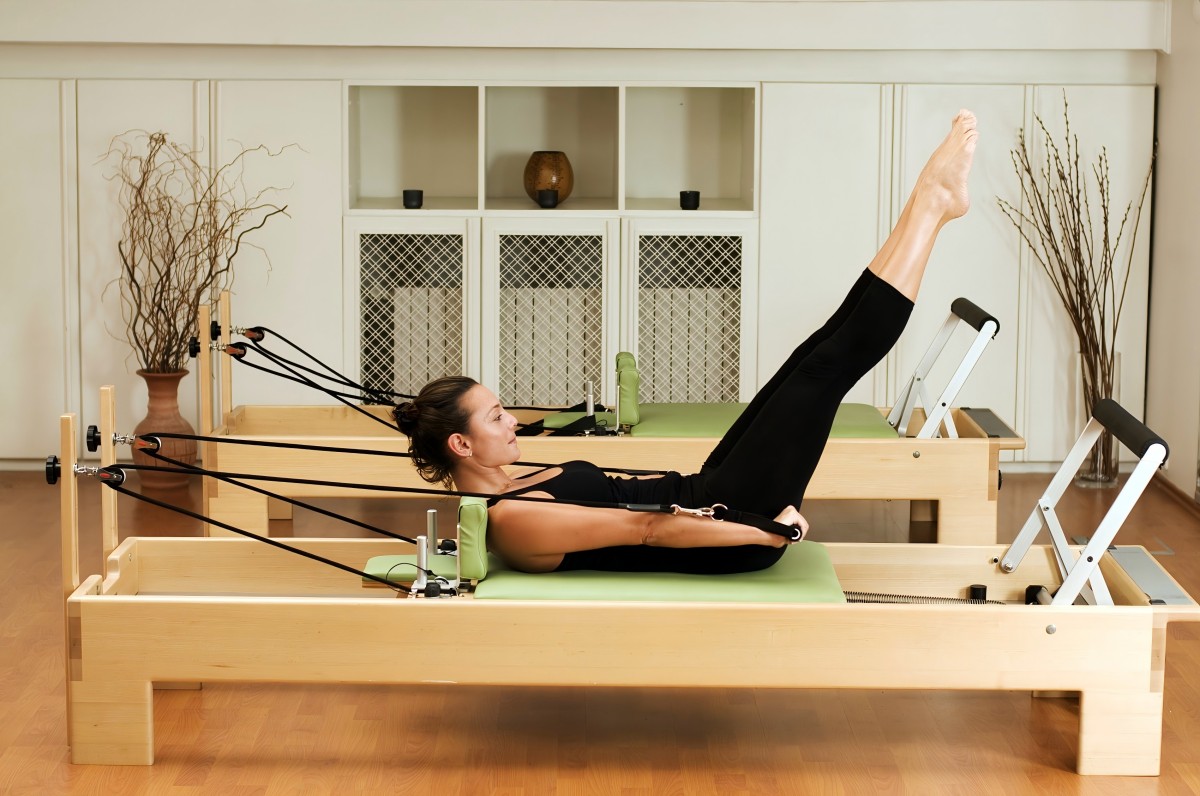
Traditionally crafted from high-density woods like Hard Maple or Solid Oak, wooden reformers are the classic choice, echoing the original designs created by Joseph Pilates.
The Pros (Advantages)
-
Aesthetic Elegance: Wood brings a natural, warm, and luxurious feel to a room. It blends seamlessly with home furniture, making it look like a piece of high-end decor rather than a cold piece of gym equipment.
-
Unmatched Stability: Solid wood (especially 28mm to 35mm thick frames) is incredibly heavy and dense. This provides a rock-solid, vibration-free foundation that will never wobble during intense jumping or dynamic carriage work.
-
Durability: Premium kiln-dried wood, when properly maintained, can last a lifetime without losing its structural integrity.
The Cons (Disadvantages)
-
Heavy and Immobile: Once a solid oak or maple reformer is assembled in your home, moving it to another room is a two-person job.
-
Space Requirements: Wooden frames are rarely foldable or designed for upright storage. They require a dedicated, permanent space in your home.
-
Maintenance: Wood can be sensitive to extreme humidity or temperature changes, requiring occasional wiping and care to prevent the finish from dulling.
Metal (Aluminum) Pilates Reformers for Home Use
Modern metal reformers are primarily constructed from aerospace-grade extruded or die-cast aluminum, offering a sleek, contemporary approach to Pilates engineering.
The Pros (Advantages)
-
Space-Saving & Foldable: The biggest advantage of metal frames for home use is their adaptability. Many aluminum reformers are designed to fold in half or stand vertically, allowing you to slide them under a bed or into a closet after your workout.
-
Lightweight Portability: Aluminum is exceptionally strong yet lightweight. Integrated transport wheels make it incredibly easy for one person to roll the machine across the living room floor.
-
Modern Precision: Metal frames often feature modern mechanical upgrades, such as one-button quick-release rope systems and full-track adjustable footbars. They are also entirely resistant to humidity and temperature fluctuations.
The Cons (Disadvantages)
-
Industrial Aesthetic: While sleek, the "gym-like" metallic appearance might clash with cozy, traditional home decor.
-
Vibration Transfer: Lighter metal frames, especially budget models, can sometimes transfer more vibration during heavy jumpboard work compared to a massive solid wood base (though premium commercial-grade aluminum models mitigate this entirely).
Quick Comparison Matrix
| Feature | Solid Wood Reformer | Aluminum / Metal Reformer |
| Aesthetics | Warm, luxurious, furniture-like | Sleek, modern, gym-like |
| Weight | Very heavy (difficult to move) | Lightweight (easy to maneuver) |
| Storage | Requires permanent floor space | Often foldable or stores vertically |
| Stability | Maximum vibration absorption | Highly stable, but lighter |
| Best For | Dedicated home gyms & large spaces | Apartments & multi-use rooms |
Wooden vs Metal Pilates Reformer Which is Better?
When evaluating the wood vs metal pilates reformer for home use pros cons, there is no universal "best"—there is only what is best for your specific lifestyle.
So, wooden vs metal pilates reformer which is better?
Choose the Wooden Reformer if:
You have a dedicated home gym, a spare bedroom, or a large living space where the reformer will live permanently. If you value classic studio aesthetics, absolute heavy-duty stability, and want your equipment to look like premium furniture, wood is the undisputed champion.
Choose the Metal (Aluminum) Reformer if:
You live in an apartment, a smaller home, or use a multi-purpose room (like a home office) for your workouts. If you need to tuck the machine away after your session, or if you prefer a modern, high-tech aesthetic with highly adjustable mechanics, aluminum is the superior choice.
The Manufacturer's Advantage
Whether you decide on the natural beauty of Maple and Oak or the space-saving brilliance of die-cast Aluminum, sourcing your equipment directly from a commercial manufacturer ensures you receive studio-grade quality without the retail markup.
Are you looking for the perfect wood vs metal pilates reformer for home use? Browse our complete factory-direct catalog to find the exact machine tailored to your space and fitness journey.
Best Material for Pilates Reformer Wood or Metal: A Manufacturer's Guide
Pilates Tower vs. Reformer: A Manufacturer and Studio Owner's Guide
Related Article