The Ultimate Guide: What to Look for When Buying a Pilates Reformer
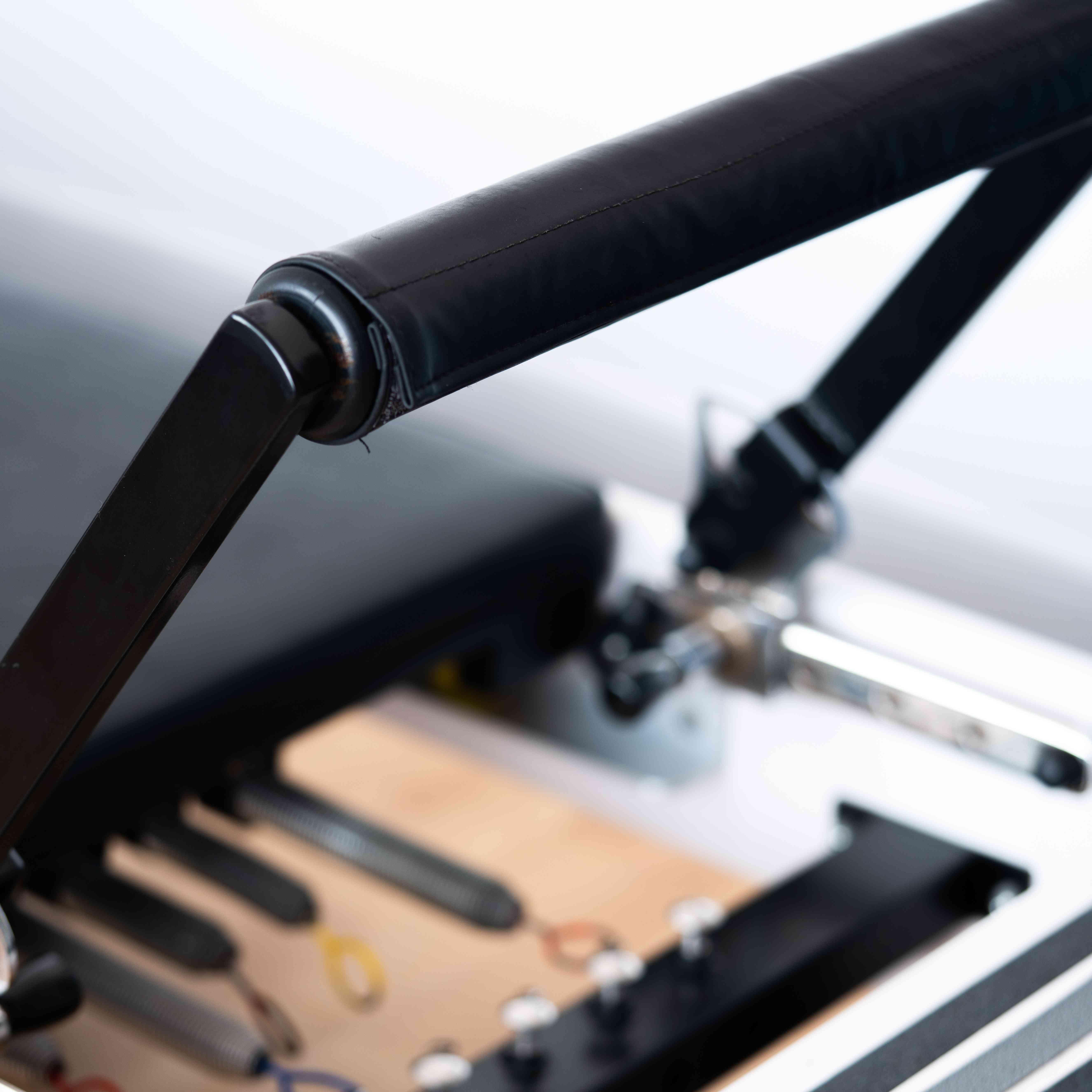
Whether you are opening a new boutique Pilates studio, expanding a physiotherapy clinic, or building a commercial distribution catalog, your choice of equipment will define your business. A commercial Pilates reformer is a significant capital investment, and the quality of the machinery directly impacts client retention, safety, and your long-term return on investment (ROI).
With so many options on the market, it can be difficult to separate marketing hype from true mechanical quality. As a direct manufacturer of commercial-grade fitness equipment, we know exactly what goes into building a world-class machine.
Here is our insider’s guide on exactly what to look for when buying a pilates reformer.
1. Frame Material & Structural Integrity (The Foundation)
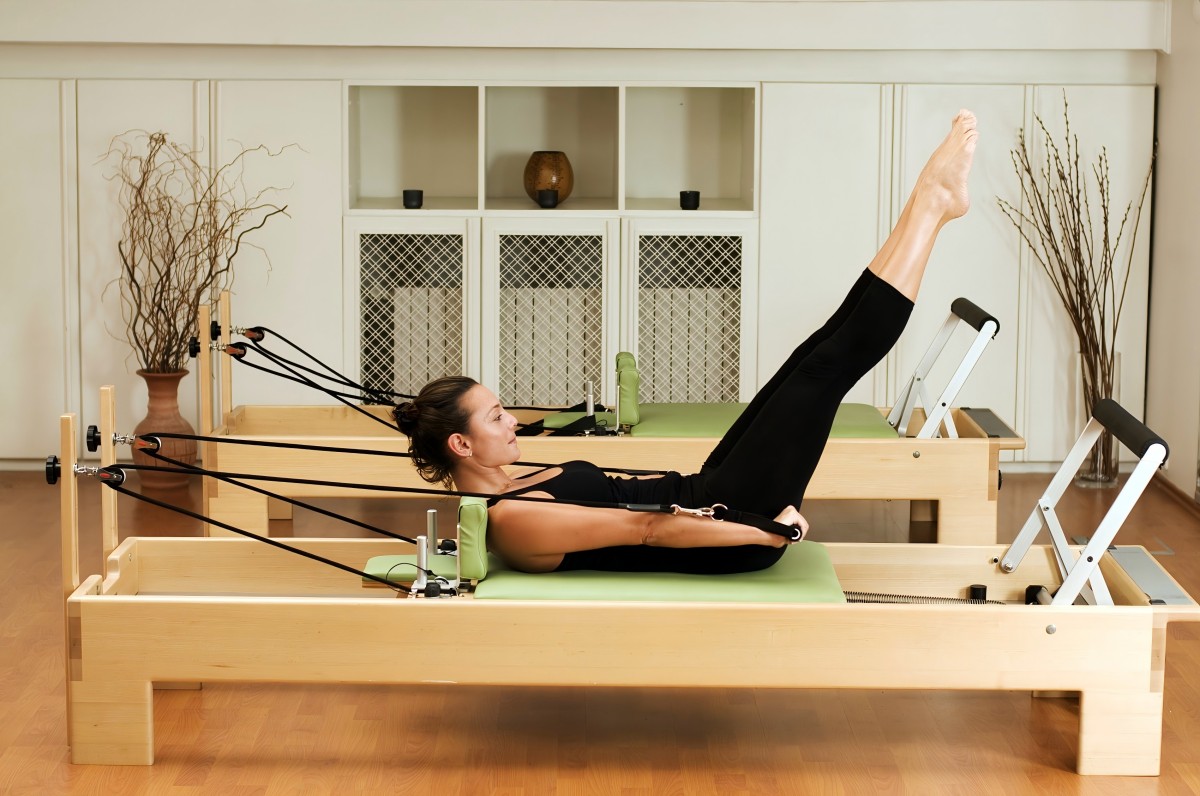
The frame is the skeleton of the reformer. It must absorb vibration, handle extreme weight loads, and withstand years of daily commercial use without warping or swaying. You generally have two premium options:
-
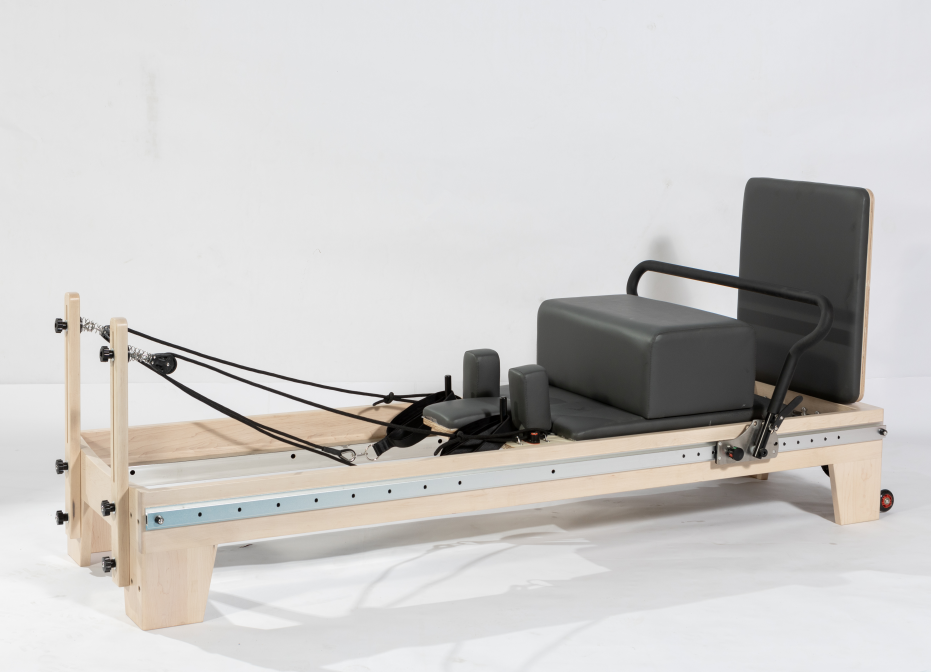
Solid Wood (Maple or Oak): Traditional, luxurious, and incredibly stable. When evaluating wooden reformers, ask about the thickness of the frame (look for 28mm to 35mm). High-density woods like Hard Maple provide maximum vibration absorption, ensuring a whisper-quiet carriage glide even during heavy jumpboard workouts. Wood is ideal for high-end boutique studios prioritizing a warm, classic aesthetic.
-
Aerospace-Grade Aluminum: Modern, sleek, and impervious to climate changes. Aluminum frames (especially die-cast or heavy extruded aluminum) are lighter than wood, making them perfect for multi-purpose rooms where equipment needs to be moved or stacked. They offer extreme rigidity and a contemporary "gym" aesthetic.
2. The Resistance System (Spring Quality is Everything)
The soul of Pilates lies in precision resistance. Cheap springs will stretch out, lose tension, and eventually snap, creating a massive safety liability for your studio.
-
Origin and Calibration: Always inquire about the origin of the springs. Premium commercial reformers utilize imported, fatigue-tested springs (such as high-end Korean or German springs). These guarantee a smooth, linear stretch cycle that maintains consistent tension over thousands of hours of use.
-
Configuration: A standard commercial setup should include 5 to 6 springs of varying tensions (typically color-coded as Heavy, Medium, and Light). This variety is crucial for accommodating everyone from rehabbing patients to advanced athletes.
3. Carriage Glide & Track Mechanics
Your clients are paying for a smooth, frictionless, and silent ride. If the carriage rattles or grinds, the perceived value of your class plummets.
-
The Wheel System: Lift the carriage and inspect the wheels. A superior commercial reformer will feature an 8-wheel or 10-wheel system. This includes vertical load-bearing wheels to handle the user's weight, paired with horizontal auxiliary wheels that grip the sides of the track to prevent any lateral shifting or "wobbling."
-
Track Materials: The tracks should be constructed from 1.5mm to 2mm thick stainless steel or specialized hardened aluminum. Avoid plastic or cheap composite tracks that will groove and degrade over time.
4. Adjustability & Ergonomic Touchpoints
In a busy studio, instructors need to transition clients between exercises in seconds. Cumbersome adjustments disrupt the flow of the class.
-
The Footbar: Look for a highly adjustable footbar. The most advanced models feature a "Full-Track" mobile footbar that can slide the entire length of the frame, alongside multiple locking angle adjustments. It should also feature a shock-absorbing cover for jumping exercises.
-
Rope & Pulley Systems: Traditional wooden cleats can be slow to adjust. Modern commercial reformers feature nautical-grade silent pulleys and One-Button Quick-Release rope systems, allowing users to perfectly equalize rope lengths in milliseconds.
-
Upholstery & Padding: The carriage, headrest, and shoulder blocks take on a lot of sweat and friction. Ensure the equipment uses at least 1mm tear-resistant Microfiber Leather. Underneath, the padding should be high-resilience EVA foam or high-density virgin sponge—never recycled cotton, which will compress and sag after a few months.
5. Space Efficiency & Expansion Capabilities
Finally, consider your floor space and the future of your programming.
-
Standard Reformers: Best for dedicated group classes.
-
Half-Tower Upgrades: If you want to offer Cadillac exercises (like the push-through bar or roll-down bar) but lack the floor space, look for reformers that can be equipped with a Half-Tower.
-
3-in-1 Combo Machines: For VIP rooms or clinical settings, a reformer that transforms into a full Trapeze Table (Cadillac) offers the highest clinical value per square meter.
Source Directly from a Trusted Manufacturer
Knowing what to look for is only half the battle; sourcing it from the right partner is the key to your business's success.
As a leading commercial Pilates reformer manufacturer located in Tianjin, China, we pride ourselves on engineering premium equipment that exceeds all the strict criteria mentioned above. From our 28mm solid wood frames and imported spring systems to our advanced full-track aluminum models, we eliminate the middleman to bring you uncompromising commercial quality at true factory pricing.
If you would like to learn more about our product lines, custom OEM capabilities, or bulk wholesale pricing, please feel free to send an email to Matthew and our export team. Let us build the perfect foundation for your studio.
The Real Difference Between Cheap and Expensive Pilates Reformers: A Manufacturer’s Breakdown
Best Material for Pilates Reformer Wood or Metal: A Manufacturer's Guide
Related Article