What to Consider When Buying a Pilates Reformer: A B2B Buyer's Guide
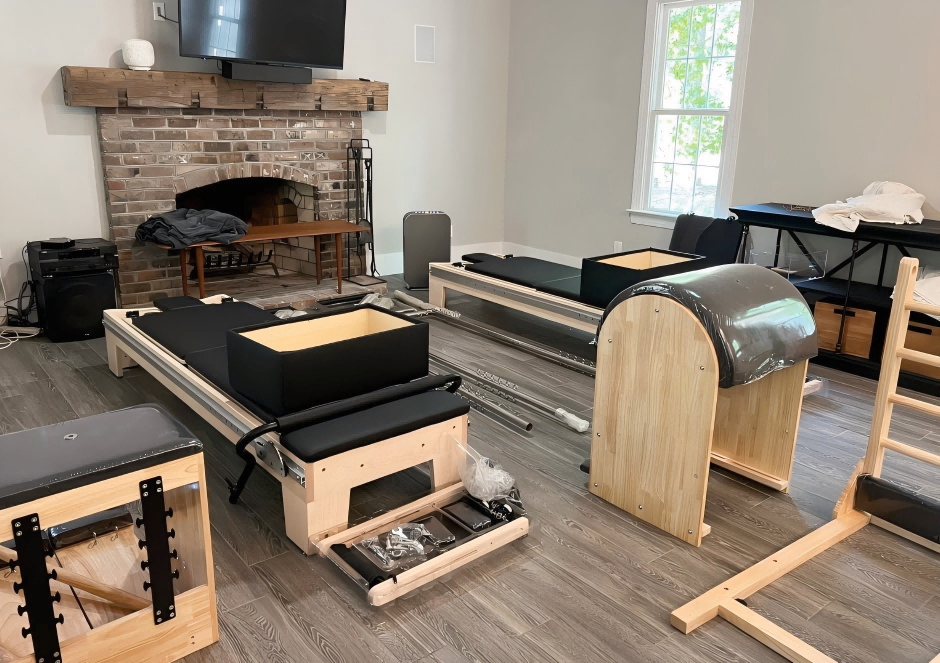
Whether you are opening a new boutique studio, upgrading a clinical rehabilitation center, or building a B2B distribution catalog, Pilates equipment is a significant capital investment. The quality of the machinery directly dictates your client retention, maintenance costs, and ultimate return on investment (ROI).
With countless brands and trading companies flooding the market, it can be difficult to separate marketing hype from true mechanical quality. As a direct manufacturer of premium commercial Pilates equipment in China, we know exactly what goes into building a machine that lasts a lifetime.
Here is our comprehensive guide on exactly what to consider when buying a Pilates reformer.
1. Define Your Primary Use Case (The Environment)
Before looking at technical specifications, you must define where and how the equipment will be used. Your business model dictates your hardware requirements.
-
For High-Volume Group Classes: If you run a busy studio with back-to-back group classes, your priority is extreme durability and ease of maintenance. You need equipment that is relatively compact and easy for instructors to adjust quickly. Standard commercial solid wood or aluminum reformers are your best choice.
-
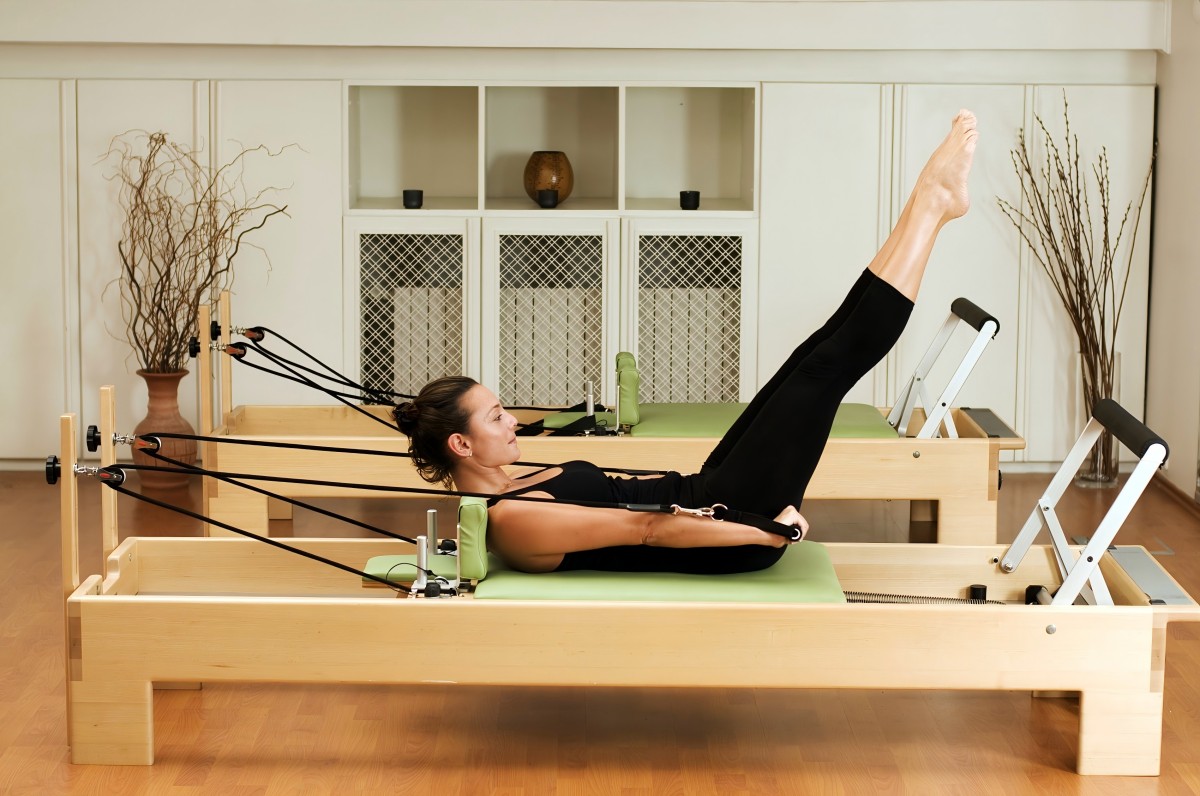
For VIP & Clinical Rehab: If you are wondering how to choose a pilates reformer for private sessions, the answer is versatility and stability. Private clients pay a premium for specialized, one-on-one attention. For this environment, you should consider a Half-Tower Reformer or a 3-in-1 Cadillac Combo. These machines offer advanced overhead spring attachments and absolute stability, allowing for deep clinical rehabilitation and advanced aerial exercises.
-
For High-End Residential Use: As the at-home fitness market grows, distributors frequently ask us how to choose a pilates reformer for home. Residential buyers prioritize space-saving designs, absolute silence, and aesthetics. A premium Foldable Reformer that can be easily stored, or a sleek aluminum model that complements modern home decor without sacrificing commercial-grade resistance, is the ideal solution.
2. Frame Material & Build Quality
The frame is the skeleton of the machine. It must absorb heavy vibrations and support intense weight loads without swaying or cracking.
-
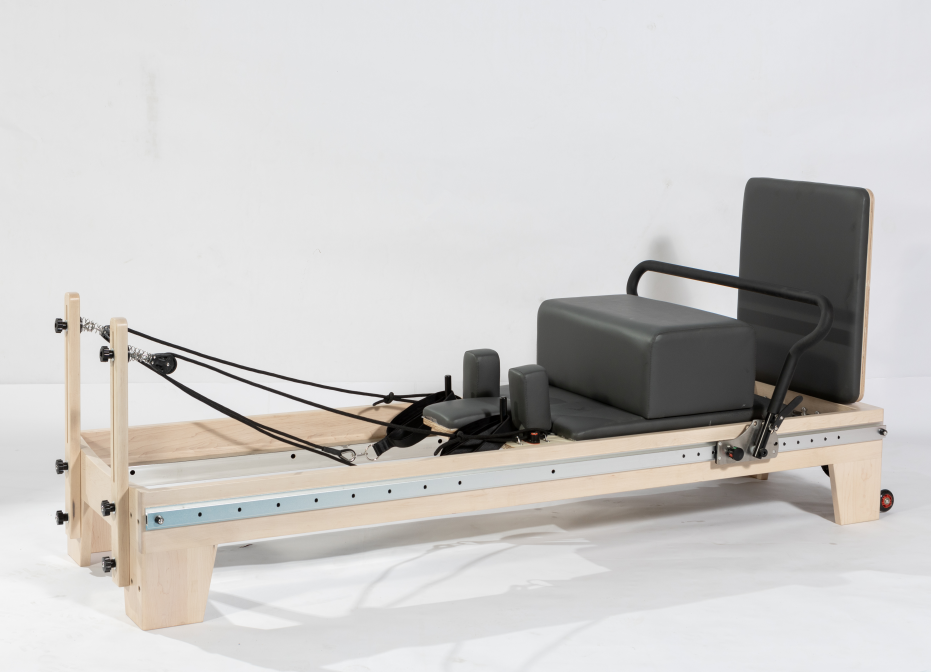
Solid Wood (The Boutique Standard): For a luxurious, warm aesthetic and superior shock absorption, wood is king. However, you must ask the manufacturer about the thickness. Premium commercial machines utilize 28mm to 35mm thick Solid Maple or Oak. Avoid MDF or thin plywood with wood-grain stickers, as they will warp over time.
-
Aerospace-Grade Aluminum: If you prefer a modern, industrial look, or need to frequently move and stack equipment, aluminum is perfect. Ensure the factory uses heavy-duty, die-cast aluminum to prevent bending.
3. The Resistance & Glide Mechanics
Your clients will judge the quality of your studio by how smooth and silent the carriage rides.
-
Spring Quality: Springs are the engine of the reformer. Cheap carbon steel springs suffer from metal fatigue, lose tension quickly, and pose a snapping hazard. Always insist on fatigue-tested, imported springs (such as specialized Korean or German springs). They guarantee a precise, linear stretch cycle that lasts for years.
-
Wheels & Tracks: A grinding or bumpy carriage ruins the Pilates experience. Look for an 8-wheel or 10-wheel carriage system (combining vertical load-bearing wheels with horizontal stabilizing wheels). Crucially, these wheels must ride on 1.5mm to 2mm thick stainless steel tracks—not cheap aluminum tracks that will quickly develop deep grooves.
4. Comfort, Ergonomics & Adjustability
In a commercial setting, equipment takes on sweat, friction, and constant readjustment.
-
Upholstery & Foam Density: The padding must not compress over time. Ensure the factory uses high-resilience EVA foam or high-density virgin sponge. It should be wrapped in 1.2mm tear-resistant Microfiber Leather, which is entirely sweat-proof and easy to sanitize.
-
Quick-Release Systems: Time is money in a group class. Instructors need to adjust client ropes in seconds. Demand one-button quick-release rope cleats and full-track adjustable footbars to ensure seamless transitions between exercises.
5. Space Efficiency & B2B Logistics
For B2B buyers and studio owners, the cost of the machine is only part of the equation; you must also factor in international shipping and floor space.
-
Studio Footprint: A standard commercial reformer requires roughly 2.4 meters of length. Always map out your studio floor plan to ensure adequate walking clearance around each machine.
-
Shipping Volume (CBM): If you are importing directly, pay attention to the Cubic Meters (CBM). A standard wood reformer packed in a reinforced crate takes up about 1.0 CBM, while a full Cadillac takes up about 1.8 CBM. Working with an experienced manufacturer helps you optimize container loading (e.g., mixing standard reformers with Cadillacs in a 40HQ container) to drastically reduce your freight costs per unit.
6. OEM Customization & Brand Identity
Finally, consider the brand value. When you buy from a retail distributor, you are paying a massive markup for their logo.
When you source directly from a true manufacturer, you can utilize OEM customization services. A premium factory can laser-engrave your studio’s logo into the wood, customize the leather color to match your interior design, and build the equipment to your exact specifications. This elevates your professional image without the retail price tag.
Source Directly from a Trusted China Manufacturer
Knowing what to consider when buying a Pilates reformer empowers you to bypass the middlemen and source your equipment directly from the factory floor.
Located in Tianjin, China, we are a leading manufacturer and exporter of commercial-grade Pilates equipment. From 28mm solid wood frames and imported Korean springs to seamless OEM branding, we engineer machinery designed to maximize your business's ROI.
Ready to upgrade your studio or distribution catalog? Send an email to Naisen and our export team today to request a full product catalog, specify your custom requirements, and receive a direct wholesale quote.
How to Choose a Pilates Reformer for Private Sessions: A Studio Owner's Guide
How to Import Pilates Reformer from China: A Step-by-Step B2B Guide
Related Article