Pilates Tower vs. Reformer: A Manufacturer and Studio Owner's Guide
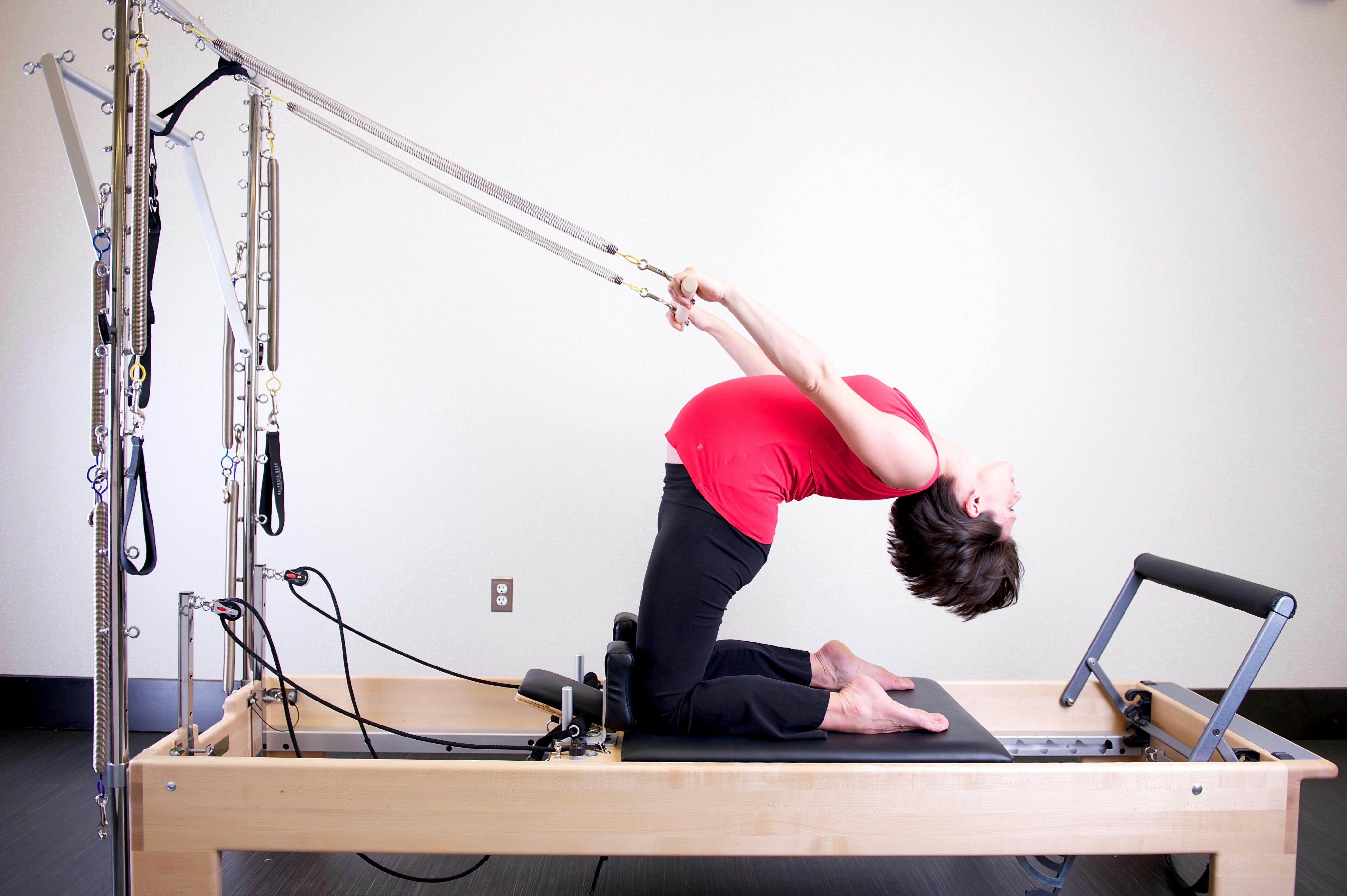
As a direct-to-market manufacturer of premium commercial Pilates equipment, we don't just see these machines as workout tools; we understand the engineering, the logistics, and the business models behind them. Here is our in-depth analysis of the Pilates Tower vs. Reformer to help you make the smartest B2B purchasing decision.
The Pilates Reformer (The Dynamic Engine)
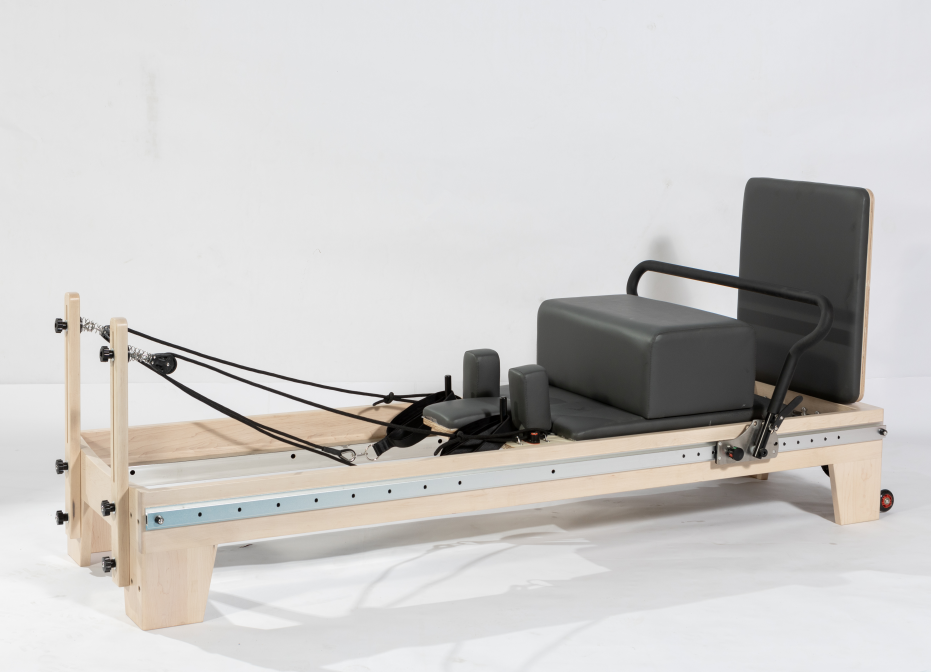
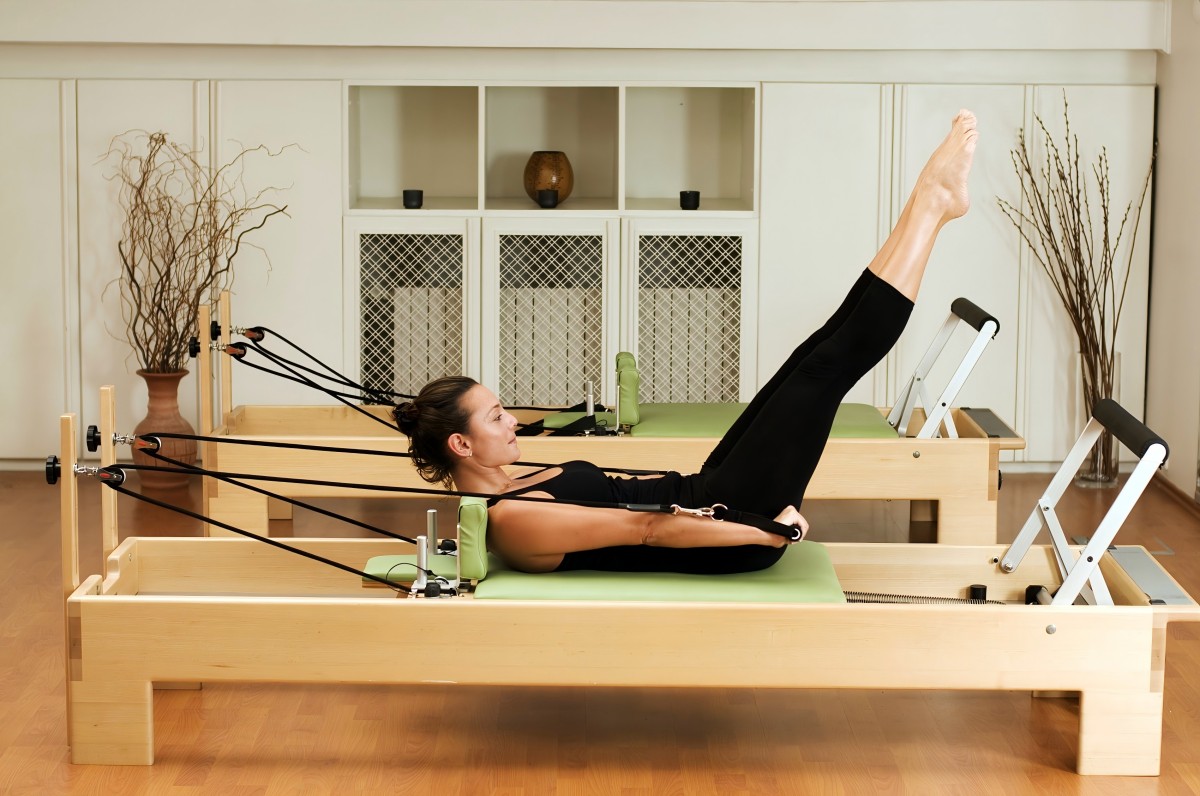
The Reformer is arguably the most recognizable piece of Pilates equipment. It features a flat carriage that rolls on tracks, powered by a calibrated spring resistance system, ropes, and pulleys.
From the Studio Owner's Perspective
The Advantages (Pros):
-
Dynamic Flow & Versatility: The moving carriage challenges balance and core stability simultaneously. It allows for fluid, full-body dynamic movements and jumping exercises (when using a jumpboard) that clients love.
-
High Market Demand: "Reformer Pilates" is a massive global trend. Clients actively seek out studios that offer these specific classes, allowing you to charge premium rates per session.
-
Broad Audience Appeal: The carriage supports the body, making it accessible for beginners, while the adjustable spring tension provides intense resistance for advanced athletes.
The Disadvantages (Cons):
-
Large Footprint: Reformers require significant floor space (typically over 2.4 meters in length), limiting the number of machines you can fit into a smaller studio.
From the Manufacturer's Perspective
The Advantages (Pros):
-
High Perceived Value & OEM Potential: Reformers are premium machines. Factories can offer extensive OEM customization—such as custom microfiber leather colors, solid wood or aluminum frames, and laser-engraved logos—allowing distributors to build strong, distinct brands.
The Challenges (Cons):
-
Complex Mechanics: Manufacturing a silent, frictionless carriage requires extremely high-precision engineering. Track alignment (stainless steel or aluminum) and the 8-wheel or 10-wheel glide systems require rigorous quality control (QC) before export.
The Pilates Tower (The Vertical Stabilizer)
The Pilates Tower (often referred to as a Half Trapeze) is a vertical frame usually attached to a wall or a stable mat base. It utilizes push-through bars, roll-down bars, and various arm and leg springs.
From the Studio Owner's Perspective
The Advantages (Pros):
-
Incredible Space Efficiency: Wall-mounted Towers or compact Tower-Mat combinations take up a fraction of the space of a full Reformer. You can safely fit more clients into a smaller room, maximizing your hourly revenue (ROI).
-
Stable Surface for Rehabilitation: Because the client works on a stationary mat rather than a moving carriage, the Tower is phenomenal for clinical rehabilitation, elderly clients, or those with severe balance issues.
-
Isolated Resistance: The vertical spring angles allow for deep, isolated stretching and targeted muscle work that is structurally impossible on a standard Reformer carriage.
The Disadvantages (Cons):
-
Lack of Cardio/Dynamic Glide: The absence of a moving carriage means you lose the fluid, gliding motions and the cardiovascular element of jumping.
From the Manufacturer's Perspective
The Advantages (Pros):
-
Streamlined Production: Towers rely heavily on high-quality stainless steel piping and heavy-duty springs rather than complex moving tracks and wheels. This allows for faster production times.
-
Efficient Global Logistics: Without the massive wooden or aluminum base of a Reformer, standalone Towers can be flat-packed very efficiently, significantly reducing shipping volume (CBM) and international freight costs for bulk B2B buyers.
The Ultimate Solution: The Reformer with Tower (Combo)
Why choose when you can have both?
For studios that want to maximize functionality without paying for the massive footprint of a full Cadillac Trapeze Table, the Pilates Reformer with Half Tower is the ultimate B2B investment.
By integrating a thickened stainless steel tower directly onto the head of a commercial wood or aluminum reformer, instructors gain access to 80% of the Cadillac repertoire alongside full Reformer functionality. Utilizing a simple Drop-in Mat Converter, the moving carriage is instantly transformed into a stable, flat surface for Tower work. It is essentially two premium machines occupying the footprint of one.
Conclusion: Partnering with a Manufacturer
Whether your business model relies on the dynamic flow of aluminum Reformers, the space-saving clinical focus of Towers, or the ultimate versatility of 3-in-1 Combo machines, sourcing your equipment correctly is vital.
By purchasing directly from a commercial manufacturer, you bypass heavy distribution markups, gain access to true commercial-grade materials (like heavy-duty Korean/German springs and dense solid wood), and unlock complete OEM branding control.
Ready to upgrade your studio's equipment list? Browse our full catalog of premium Pilates Reformers and Tower systems, and contact our factory team today for a direct wholesale quote!
Wood vs Metal Pilates Reformer for Home Use Comparison
Pilates Reformer vs. Pilates Mat: A Manufacturer and Studio Owner's Gui
Related Article