Pilates Reformer vs. Pilates Mat: A Manufacturer and Studio Owner's Gui
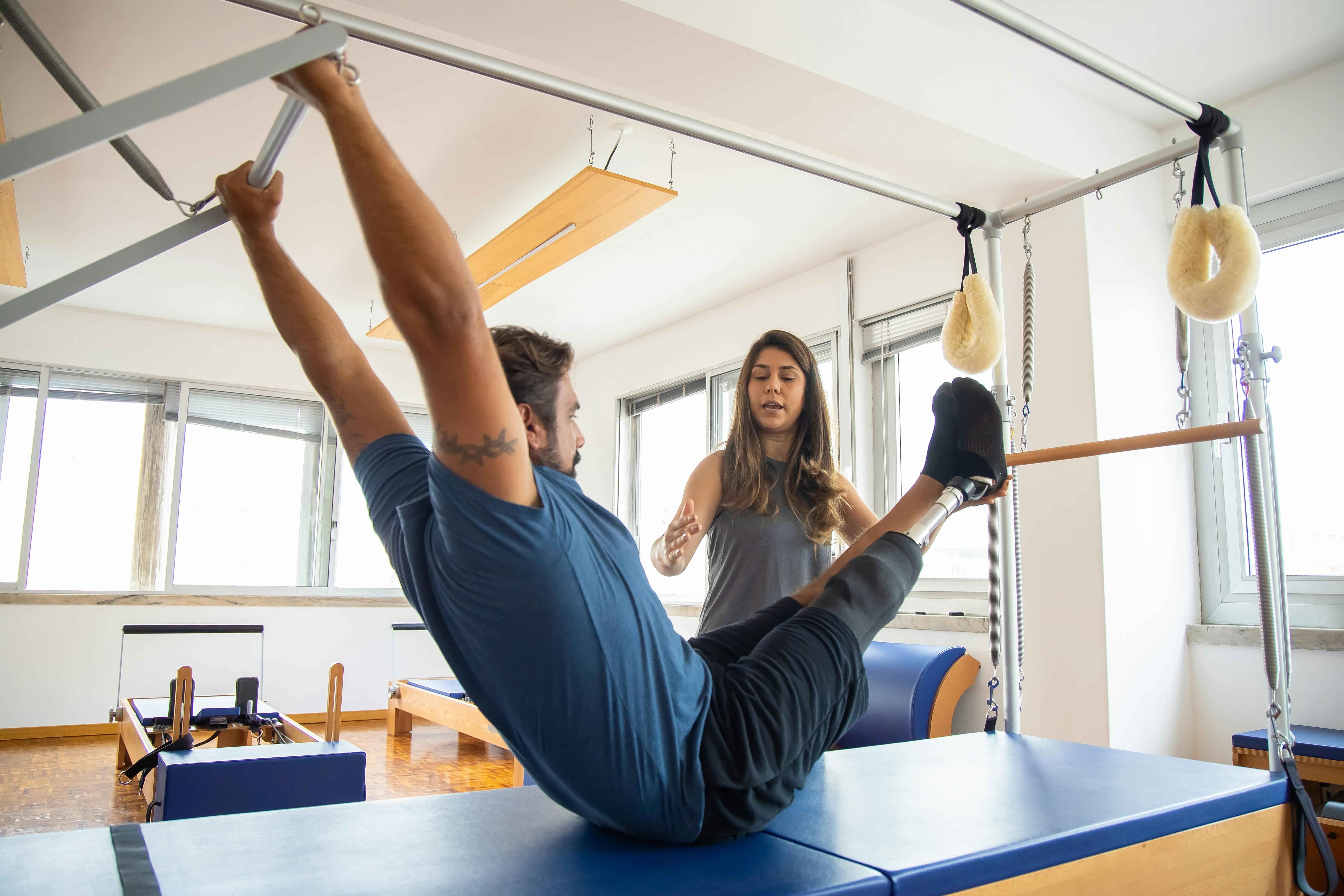
As a direct manufacturer of commercial Pilates equipment, we have a unique perspective on this industry. In this comprehensive guide, we analyze the pros and cons of both modalities—not just from the user's experience on the studio floor, but from the manufacturing and B2B investment perspective.
The Pilates Reformer (The Commercial Powerhouse)
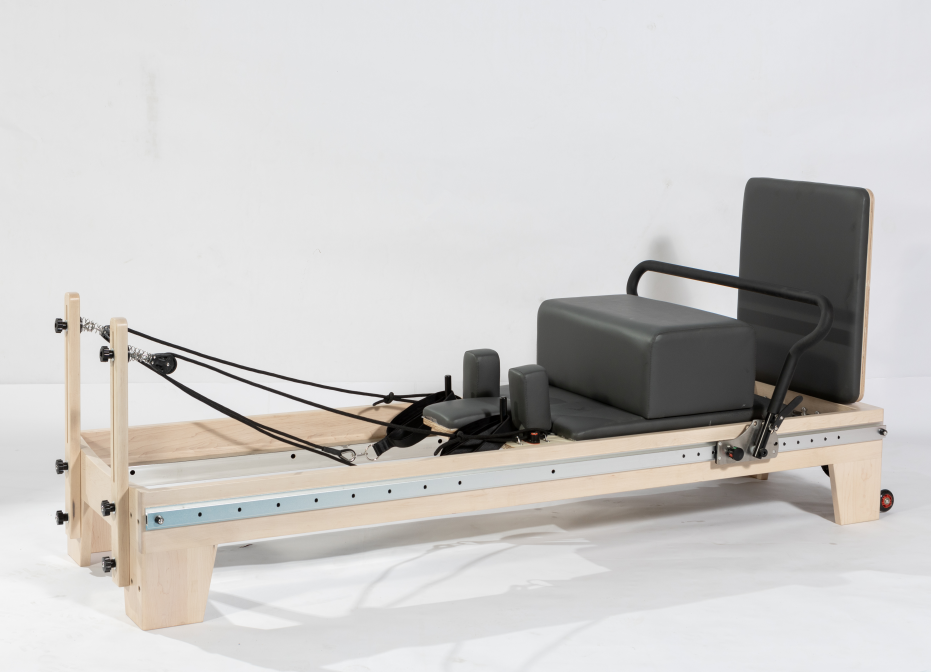
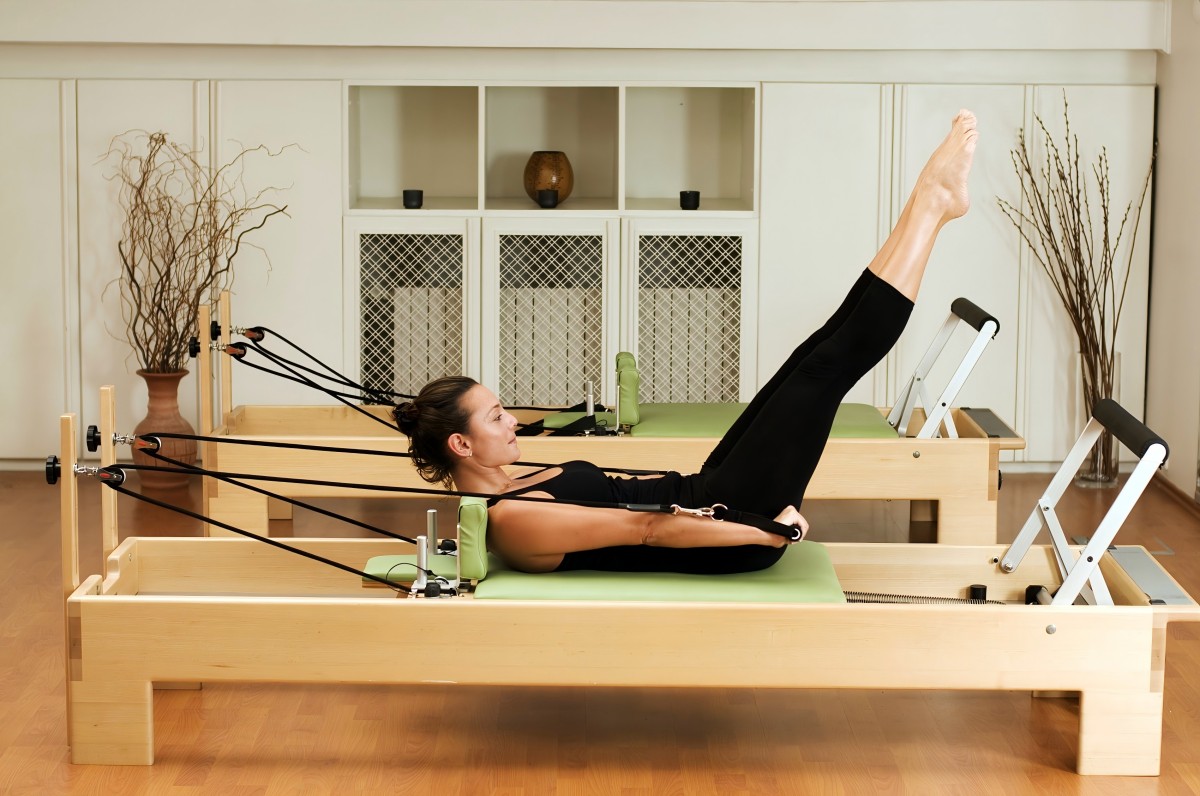
The Pilates Reformer is a sophisticated apparatus utilizing a gliding carriage, calibrated springs, ropes, and pulleys. It is the centerpiece of any premium Pilates studio.
From the User & Studio Owner's Perspective
The Advantages (Pros):
- Dynamic & Scalable Resistance: The sophisticated spring system (such as imported Korean or German springs) allows users to precisely adjust resistance. It provides support for beginners while offering extreme challenges for advanced athletes.
- Precise Body Alignment: The physical boundaries of the frame, footbar, and shoulder rests force the body into correct anatomical alignment, making it highly effective for clinical rehabilitation.
- Premium Business Model: Studio owners can charge significantly higher premium class fees for Reformer sessions compared to Mat classes, ensuring a much faster Return on Investment (ROI) and higher profit margins per square meter.
The Disadvantages (Cons):
- Higher Initial Investment: Outfitting a studio with 10 commercial reformers requires serious capital compared to buying 10 mats.
- Space Requirements: Reformers have a large footprint. However, modern designs like Foldable Reformers or Half-Tower Reformers are actively solving this spatial limitation.
From the Factory & Manufacturer's Perspective
The Advantages (Pros):
- High-Value B2B Partnerships: Manufacturing reformers is complex. It requires expertise in woodworking, metal machining (aluminum/stainless steel), and upholstery. For a factory, this builds high-value, long-term OEM relationships with global distributors.
- Brand Customization (OEM): Reformers offer massive branding opportunities. Factories can provide custom leather colors, laser-engraved logos, and bespoke wood finishes, allowing B2B buyers to build their own distinct brands.
- Recurring Supply Chain: Reformers require maintenance parts over the years (springs, ropes, leather), creating a continuous business loop between the factory and the buyer.
The Disadvantages (Cons):
- Complex Logistics: Shipping large, heavy machinery globally involves higher freight costs and requires strict, export-grade packaging (thick wooden crates) to prevent transit damage.
- Strict Quality Control (QC): A single misaligned track or weak spring can ruin the user experience. The manufacturing threshold is very high, requiring rigorous multi-step QC audits.
The Pilates Mat (The Accessible Foundation)
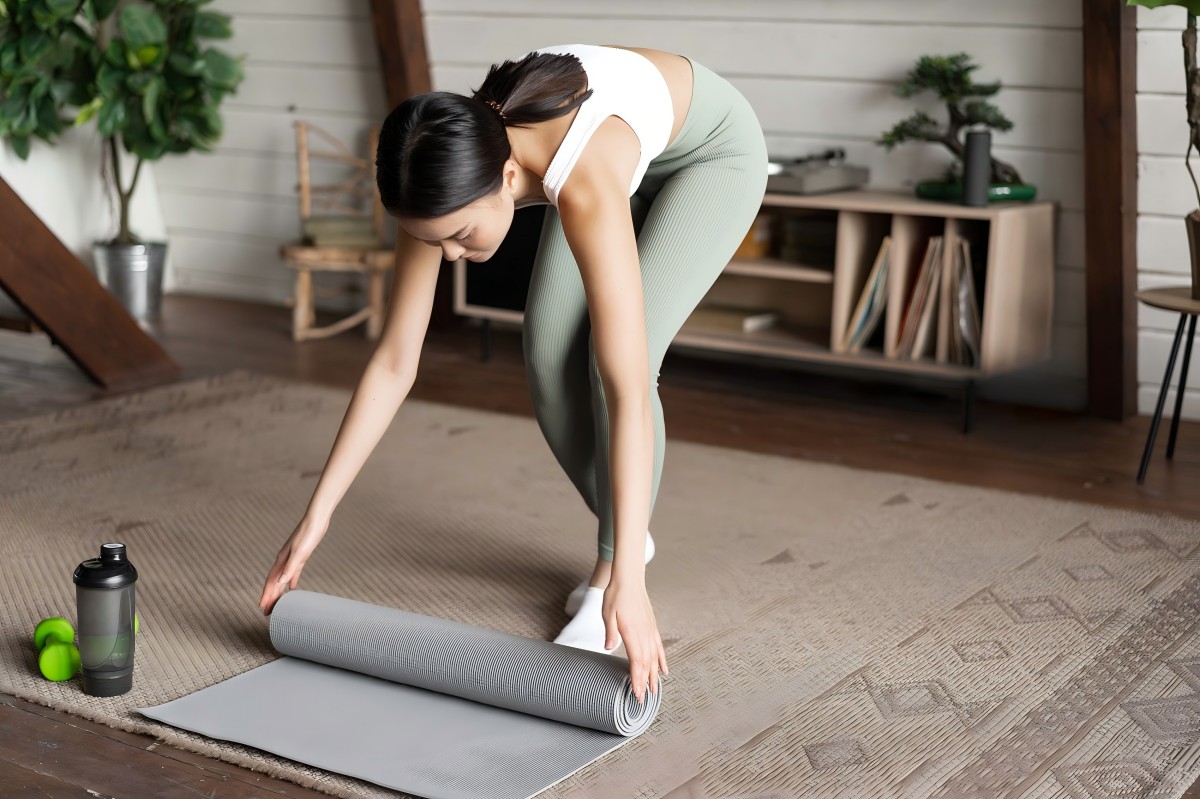
Mat Pilates relies solely on gravity and body weight for resistance. It is the original form of Pilates designed by Joseph Pilates.
From the User & Studio Owner's Perspective
The Advantages (Pros):
- Ultimate Accessibility: Low barrier to entry. Anyone can start practicing immediately, making it perfect for massive group classes or home workouts.
- High Spatial Efficiency: Studio owners can fit 20-30 clients in a room that might only hold 6 Reformers, maximizing the volume of clients per hour.
- Core-Intensive: Without the supportive springs of a reformer, the practitioner must rely entirely on their own core strength to control movements.
The Disadvantages (Cons):
- Limited Progression: Once a user masters their body weight, it is harder to add progressive overload without external tools.
- Lower Perceived Value: Because clients can easily buy a mat for their home, they are generally unwilling to pay premium prices for mat-based studio classes.
From the Factory & Manufacturer's Perspective
The Advantages (Pros):
- Mass Production Efficiency: Mats (usually made of TPE, PU, or NBR) are highly standardized. A factory can produce and ship thousands of units in a fraction of the time it takes to build a single batch of reformers.
- Easy Logistics: Mats are lightweight, easy to roll, and cheap to ship in bulk containers, minimizing global freight friction.
The Disadvantages (Cons):
- Fierce Price Wars: Because the manufacturing barrier is extremely low, the market is flooded with cheap alternatives. It is a highly commoditized product with razor-thin profit margins.
- Low Brand Loyalty: B2B buyers frequently switch mat suppliers based purely on a difference of a few cents per unit, making it difficult for a factory to build deep, strategic partnerships.
The Verdict: What Should B2B Buyers Invest In?
For fitness entrepreneurs and studio owners, Mat Pilates is excellent for building a broad community and getting clients through the door. However, the Pilates Reformer is the true engine of business growth.
Investing in commercial-grade Pilates Reformers elevates your brand positioning, justifies premium class pricing, and delivers the dynamic, machine-assisted results that modern clients demand.
As a direct-to-market manufacturer, we bridge the gap between premium engineering and factory-direct pricing. By choosing a trusted manufacturing partner for your Reformers, you secure heavy-duty construction (solid wood or die-cast aluminum), precision spring systems, and full OEM customization without the middleman markup.
Ready to outfit your studio or expand your distribution catalog? Contact our factory team today to explore our premium line of Commercial Reformers, Cadillacs, and Tower systems.
Pilates Tower vs. Reformer: A Manufacturer and Studio Owner's Guide
What is Reformer Pilates? The Ultimate Guide to History, Equipment, and Sourcing
Related Article