Pilates Reformer Cost & Price Range: The 2026 Studio Budgeting Guide
When opening a new Pilates studio or upgrading an existing facility, your biggest capital expenditure will always be the equipment. In the highly competitive economic landscape of 2025 and 2026, studio owners and fitness investors must manage their budgets with absolute precision.
However, looking purely at the sticker price of a machine is a rookie mistake. Smart business owners look at the Total Cost of Ownership (TCO) and the Return on Investment (ROI).
If you are finalizing your financial projections, here is the ultimate 2026 B2B budgeting guide, breaking down the true Pilates reformer cost price range, hidden expenses, and how to maximize your purchasing power by sourcing directly from the manufacturer.
1. The 2025–2026 Price Benchmark: What to Expect
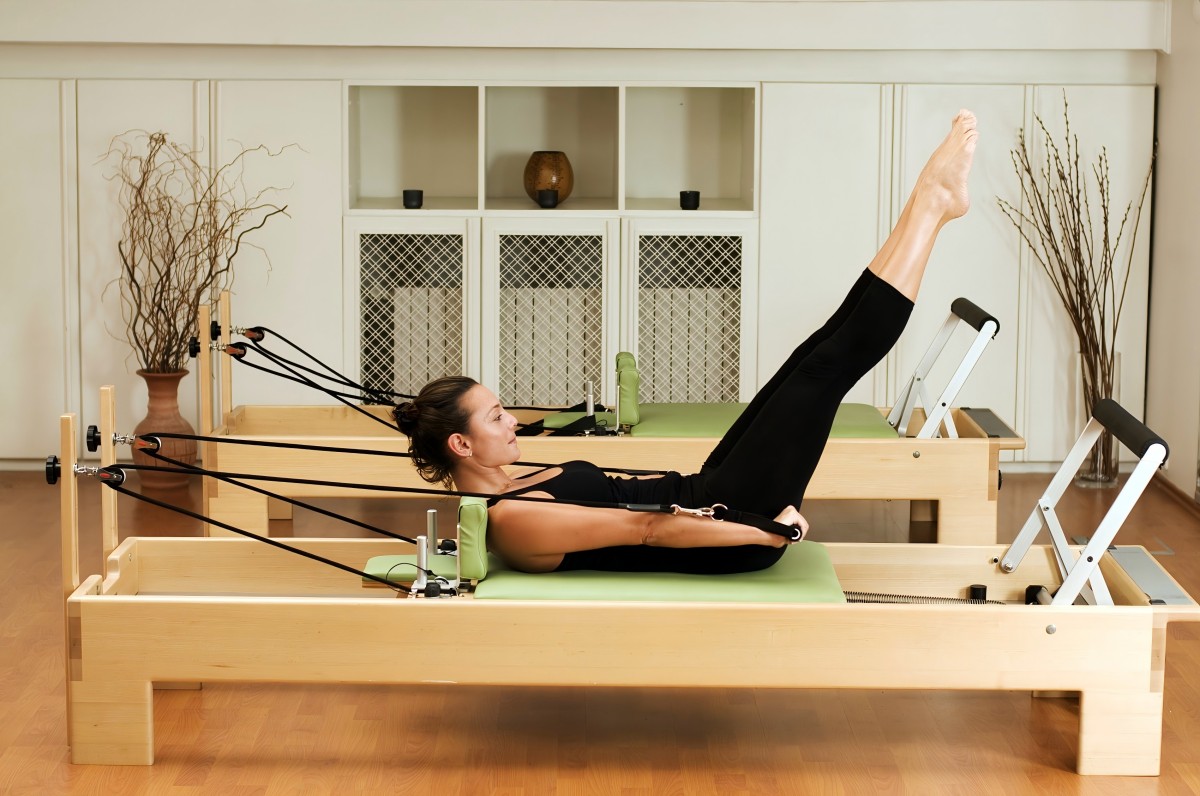
Before calculating your ROI, you must understand the current retail landscape. In the 2025–2026 global market, equipment prices generally fall into four distinct tiers:
-
Entry-Level Home Foldable:
$300 – $1,200(Lightweight, cord-based tension, designed for casual residential use). -
Mid-Range Semi-Commercial:
$1,200 – $2,800(Basic aluminum frames, standard hardware, suited for very low-traffic private spaces). -
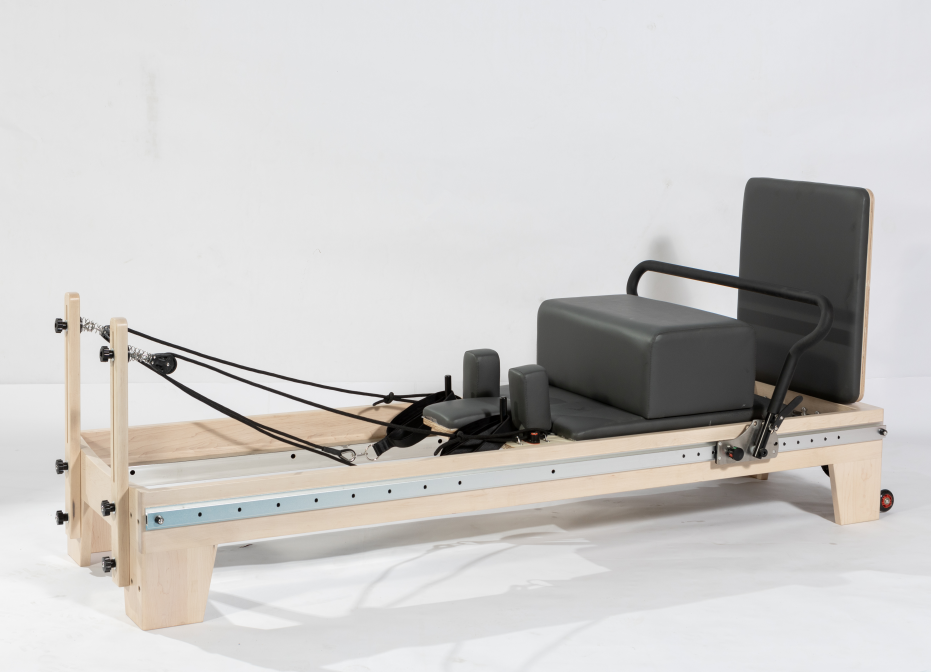
Commercial Studio-Grade:
$2,800 – $5,500+(The boutique standard. Heavy-duty construction, designed for continuous daily group classes). -
Full Cadillac VIP Combos:
$4,500 – $8,500+(Premium setups with full overhead canopies, mandated for high-ticket clinical rehab and private 1-on-1 sessions).
2. Breaking Down the Cost: What Are You Actually Paying For?
Why does one commercial reformer cost $2,000 to manufacture, while a retail brand sells it for $5,500? As a direct manufacturer, we can tell you exactly where the physical value of a premium machine lies:
-
The Frame Density: Cheap machines use hollow materials. Premium commercial machines utilize 28mm–35mm imported solid wood (Maple or Oak) or thick-gauge, aerospace die-cast aluminum.
-
The Glide Mechanics: A smooth ride isn't cheap. The highest manufacturing costs go into 2mm thick seamless 304 stainless steel tracks and customized 8-wheel/10-wheel polyurethane (PU) silent bearing systems.
-
The Resistance Engine: Safe, linear tension requires fatigue-tested imported springs (such as specialized Korean or German steel).
When you pay $5,500 at retail, you are paying for these high-end materials plus massive brand marketing, showroom rents, and middleman distributor markups.
3. The Hidden Costs to Factor into Your 2026 Budget
When drafting your 2026 business plan, the base price of the machine is only step one. Many studio owners fail to budget for the hidden costs of outfitting a room:
-
Ocean Freight (CBM): If you are importing, international freight is charged by volume (Cubic Meters). A heavy-duty crated reformer can take up 1.0 CBM.
-
Import Tariffs & Duties: Always consult your local customs broker to calculate the exact import tax rate for commercial fitness equipment in your specific country.
-
Maintenance & Upholstery: Cheap PVC leather cracks under heavy commercial sweat within 6 months, requiring expensive reupholstering. Investing in 1.2mm Microfiber Leather upfront eliminates this hidden replacement cost.
4. Cost vs. ROI: How Quickly Can a Commercial Reformer Pay for Itself?
This is where the B2B math gets exciting. Let’s calculate the payback period for a single machine in a standard commercial group class setting.
-
The Scenario: You charge $30 per group class. One machine is used for 4 classes a day.
-
Daily Revenue: That single reformer generates $120 per day.
-
Retail ROI: If you paid a premium retail brand $5,000 for that reformer, it will take roughly 42 days of pure class revenue just to break even on the machine.
-
Factory-Direct ROI: If you bypass the middleman and buy that exact same commercial quality directly from a manufacturing hub via wholesale pricing (e.g., $1,500 landed cost), the machine pays for itself in just 12 days. From day 13 onward, that machine is generating pure profit for your studio.
5. Maximizing Your Purchasing Power with Factory-Direct Sourcing
In 2026, the smartest financial decision a studio owner can make is to bypass the traditional retail supply chain.
If your equipment budget is $20,000, buying retail means you can only afford to put 4 machines in your studio. However, by leveraging factory-direct B2B sourcing, that same $20,000 budget allows you to purchase and ship 10 to 12 fully customized, premium commercial reformers. You instantly double your studio's maximum class capacity and revenue ceiling.
Secure Your B2B Wholesale Pricing Today
Smart investors don't just look at the price tag; they analyze the bottom line and the ROI.
Operating from the industrial and export hub of Tianjin, China, we manufacture world-class, commercial-grade Pilates equipment designed to maximize your studio's profitability. We offer uncompromising OEM quality, optimized container loading to slash your shipping costs, and direct factory pricing that retail brands simply cannot match.
Ready to dramatically improve your 2026 studio ROI? Send an email to Naisen and our Tianjin export team today. Request our exclusive 2025–2026 B2B wholesale price list, receive a free container CBM freight calculation, and secure your direct factory quote!
Buying a Pilates Reformer from China: The Ultimate B2B Sourcing & Import Guide
A Comprehensive Guide to the Parts of a Pilates Reformer: What You Need to Know
Related Article