A Comprehensive Guide to the Parts of a Pilates Reformer: What You Need to Know
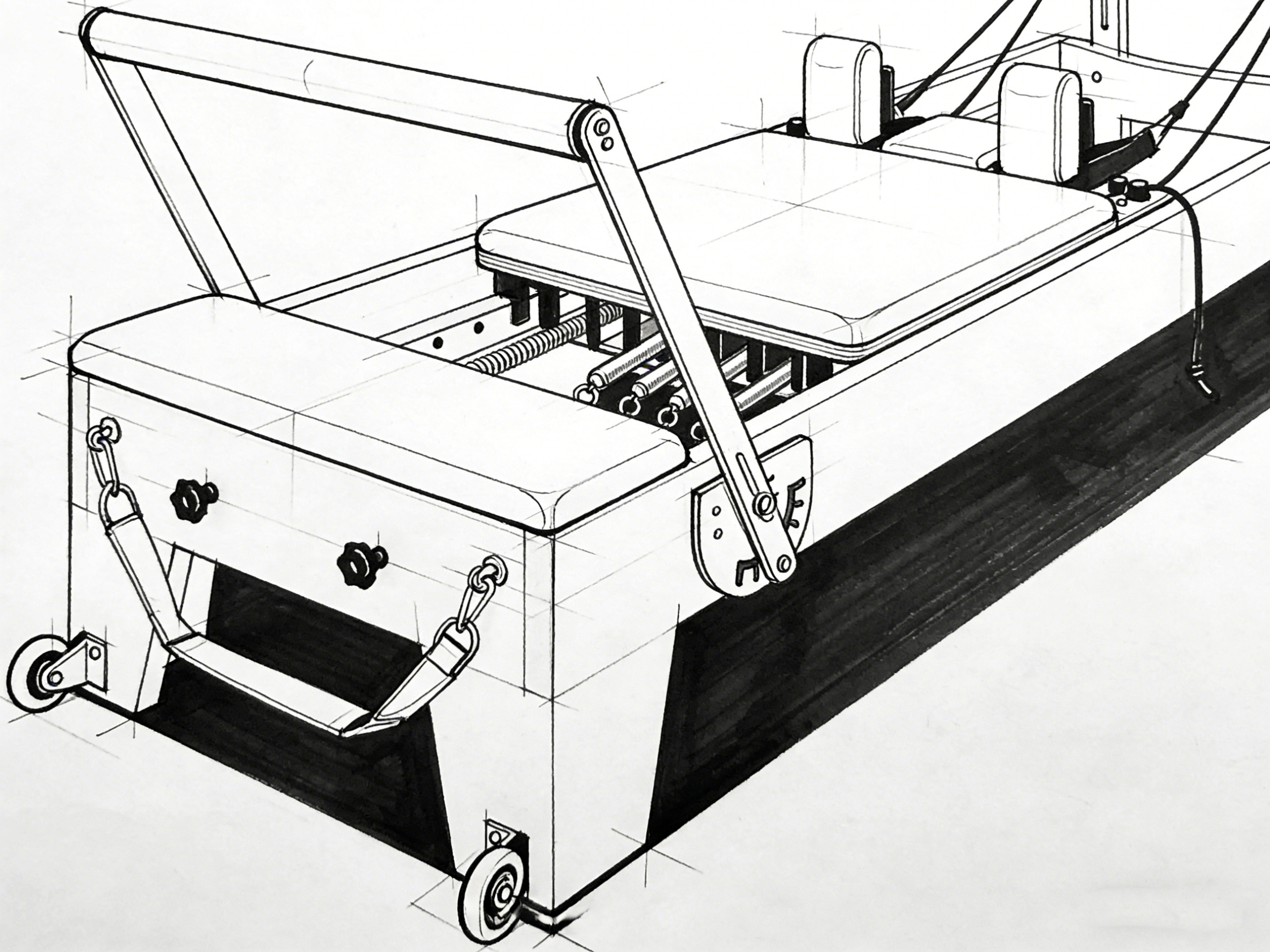
However, a reformer is not just a fitness tool; it is a serious capital investment. Whether you are a studio owner training a new roster of instructors, a fitness equipment distributor building a catalog, or a buyer sourcing reliable commercial-grade machines, you must understand the specific parts of a Pilates reformer.
Knowing how these engineered components interact allows you to evaluate manufacturing quality, anticipate maintenance needs, and ultimately make smarter, more profitable B2B purchasing decisions. Here is the complete anatomical breakdown of a commercial reformer.
1. The Foundation: Frame & Carriage System
The core structure of the machine dictates its overall durability, weight capacity, and the user's acoustic experience (a silent glide).
-
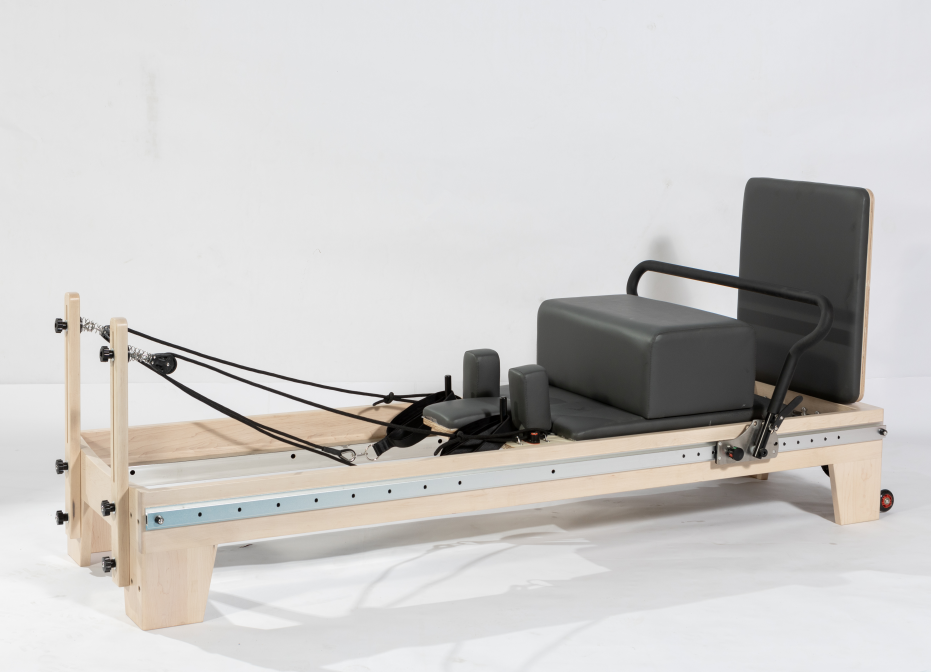
The Frame: This is the bedrock of the apparatus. Premium commercial reformers completely avoid cheap pine or plastics, utilizing 28mm–35mm solid hardwood (like maple Pilates Reformer or oak Pilates Reformer ) for maximum shock absorption and a luxury aesthetic. For multi-purpose rooms, frames are often constructed from aerospace-grade, die-cast aluminum, allowing the machines to be easily stacked or stored vertically.
-
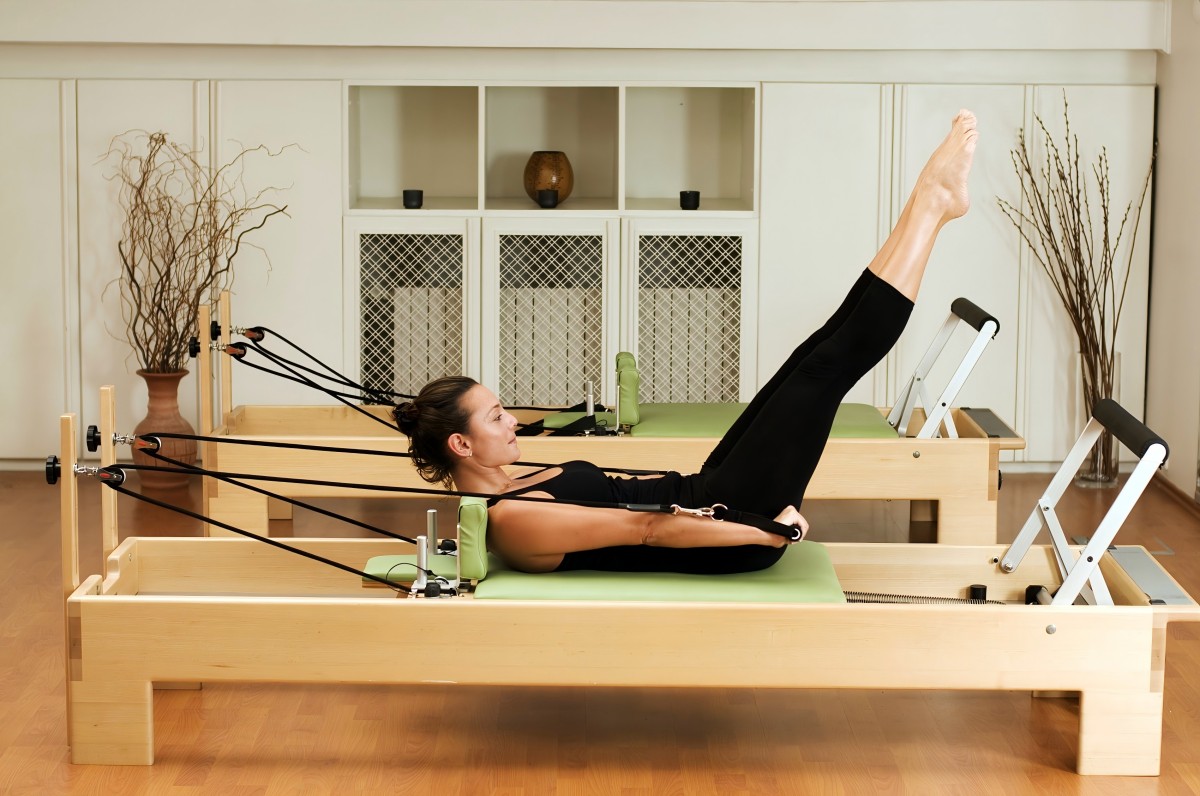
The Carriage: This is the moving platform where clients lie, sit, or stand. In high-end manufacturing, the carriage is padded with high-resilience EVA foam (which resists permanent compression) and wrapped in 1.2mm tear-resistant Microfiber Leather to withstand daily commercial sweat and friction.
-
Tracks & Wheels: Hidden beneath the carriage, this is where the magic happens. A commercial-grade ride relies on 2mm thick stainless steel seamless tracks paired with an 8-wheel or 10-wheel polyurethane (PU) bearing system to ensure the carriage glides silently without lateral rattling.
2. The Engine: Resistance & Tension System
The primary advantage of the reformer over mat Pilates is its adjustable, dynamic resistance, which accommodates users of all ages and fitness levels.
-
The Springs: Springs provide both concentric and eccentric resistance. A standard commercial setup features 5 color-coded springs of varying tensions (e.g., heavy, medium, light). The quality of the steel is paramount—cheap carbon steel stretches and snaps. Professional studios require fatigue-tested imported springs to guarantee a safe, perfectly linear pull over millions of cycles.
-
The Gearbar: Located at the spring attachment point, the gearbar allows instructors to adjust the baseline tension of the springs and change the resting distance of the carriage, ensuring the machine perfectly fits both a 5-foot and a 6-foot-tall client.
3. The Control Center: Support & Stabilization
Proper spinal alignment is the core principle of Pilates. These structural parts keep the user secure, stable, and biomechanically aligned during complex movements.
-
The Footbar: Positioned at the end of the frame, this acts as the primary pushing platform for the feet or hands. A commercial-grade footbar must feature a heavy-duty locking mechanism that allows for multiple height and angle adjustments to accommodate different exercises and joint mobilities.
-
Shoulder Blocks: These padded rests prevent the user from sliding backward off the carriage during heavy leg presses. On premium models, these blocks are easily removable to create a flat carriage for specific clinical or acrobatic exercises.
-
The Headrest: Nestled between the shoulder blocks, the headrest typically adjusts to three distinct positions (flat, half-raised, fully raised) to provide critical cervical spine support based on the user's natural posture.
4. The Dynamic System: Ropes & Pulleys
This system detaches resistance from the fixed frame, adding a dynamic, three-dimensional range of motion for the arms, legs, and core.
-
Ropes and Loops (Straps): Fed through the pulleys, these ropes connect the user's limbs to the spring-loaded carriage. Double-loop straps are the commercial standard, featuring a smaller loop for the hands and a larger, padded loop for the feet.
-
Risers & Pulleys: Mounted at the back of the reformer, the risers elevate the pulleys to change the angle of the rope's pull. Adjustable risers are highly recommended for B2B buyers, as they allow instructors to make precise biomechanical adjustments for injury rehabilitation.
5. Essential Upgrades: Common Accessories
To maximize the versatility (and the ROI) of a single reformer footprint, studios utilize two essential accessories:
-
The Jumpboard: A padded, wooden board that drops into the footbar slots. It allows clients to perform low-impact, cardiovascular plyometric jumping while lying on their backs, entirely removing the impact from the knees and spine.
-
The Sitting Box: Placed directly on top of the carriage, this upholstered box drastically expands the exercise repertoire, allowing for prone (face-down) back extensions and seated abdominal oblique work.
Partner With a True Source Manufacturer
A Pilates reformer is not just a piece of gym equipment; it is a precision machine. Ensuring that every spring, wheel, and bolt performs flawlessly requires rigorous manufacturing standards and deep engineering expertise.
As a professional fitness and Pilates equipment manufacturer based in Tianjin, China, we understand that hardware quality is the lifeline of your business. Because we control the entire production process—from selecting premium solid hardwoods to stress-testing our imported springs—we eliminate the retail markup and deliver uncompromising commercial quality.
Looking for the ultimate B2B advantage? We offer extensive OEM/ODM customization services. Whether you need custom Microfiber Leather colors to match your studio’s aesthetic, or custom logo engraving on your solid wood frames, we have the manufacturing capacity to deliver.
Send an email to Naisen and our Tianjin export team today. Request our technical load-bearing test reports, optimize your container shipping CBM, and secure your direct factory wholesale quote!
Pilates Reformer Cost & Price Range: The 2026 Studio Budgeting Guide
What is the Difference Between Cadillac and Pilates Reformer?
Related Article