The Origin of the Pilates Reformer: From Hospital Beds to Modern Engineering
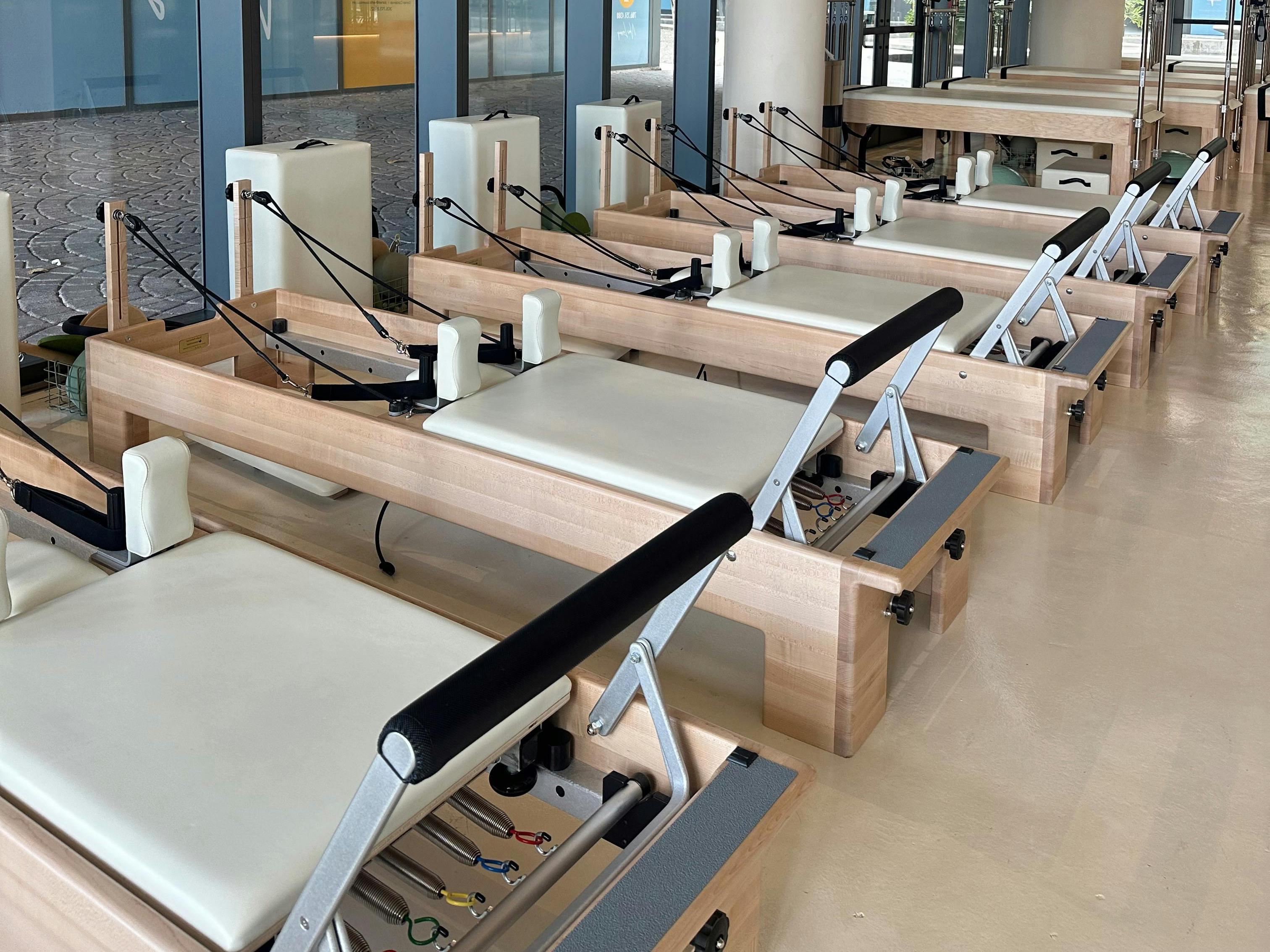
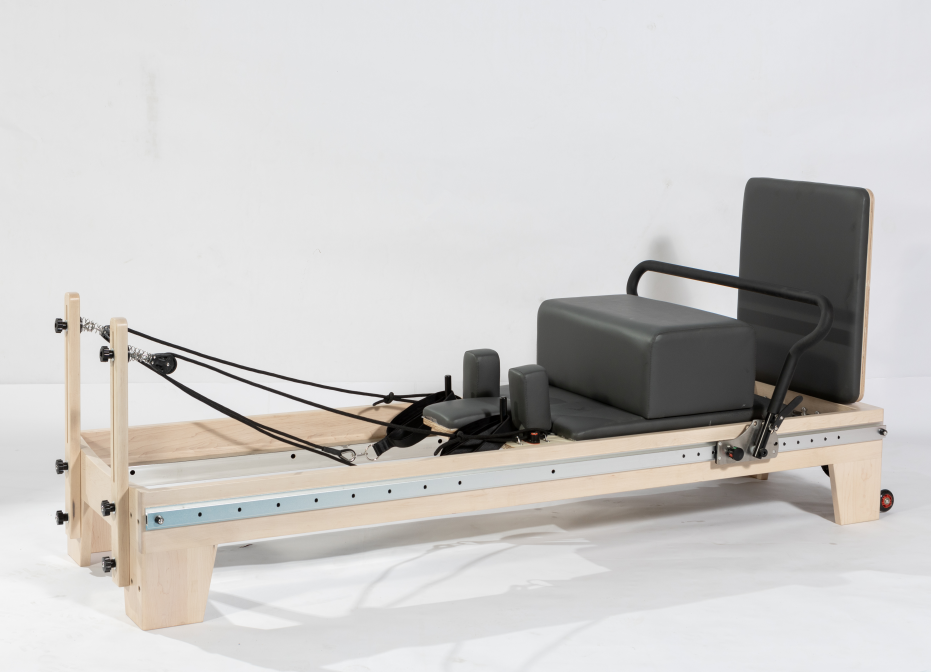
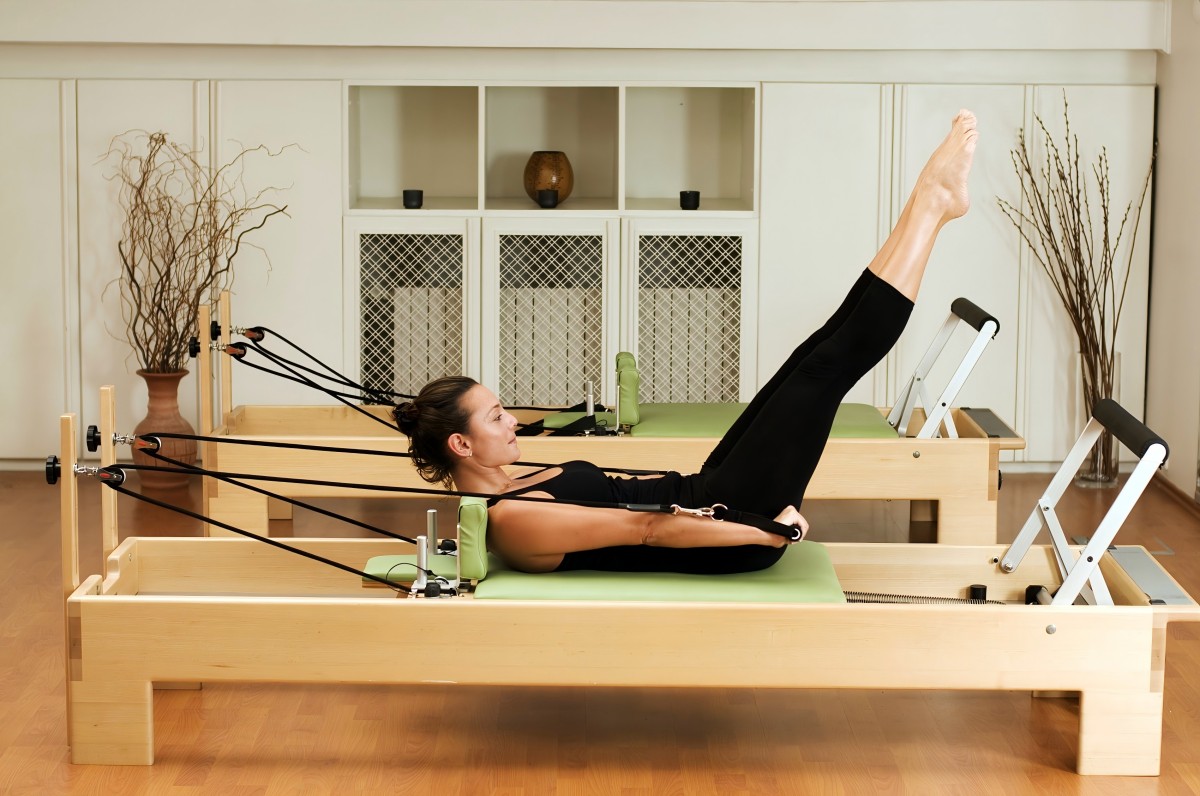
Today, the Pilates reformer is the centerpiece of luxury fitness studios and clinical rehabilitation centers worldwide. With its sleek wooden frames, silent sliding carriages, and precision-engineered springs, it looks like a piece of modern art. But would you believe that this elegant machine was originally born from rusty hospital beds and mattress springs?
If you have ever wondered who invented the reformer Pilates machine or how it evolved into the highly profitable commercial equipment we see today, the history is as fascinating as the workout itself.
As a direct manufacturer of modern, commercial-grade Pilates equipment, we love looking back at the origin of the Pilates reformer. Understanding its history not only deepens your appreciation for the method but also highlights exactly what you should look for when sourcing equipment for your studio today.
1. Who invented the reformer Pilates machine?
The genius behind the machine was, unsurprisingly, Joseph Pilates.
Born in Germany in 1883, Joseph was a physical training pioneer. During the outbreak of World War I in 1914, he was living in England and was subsequently placed in an internment camp on the Isle of Man as an "enemy alien." It was inside this bleak, overcrowded camp that the foundation of modern Pilates—and its iconic equipment—was born.
2. The Origin of Pilates Reformer: Springs and Hospital Beds
While in the camp, Joseph Pilates worked as a nurse and caretaker for his fellow inmates, many of whom were bedridden due to illness, starvation, or wartime injuries. He recognized that movement was essential for their recovery, but the patients were too weak to stand or perform traditional exercises.
This sparked the revolutionary idea that became the origin of the Pilates reformer. Joseph dismantled the metal springs from old mattresses and rigged them to the headboards and footboards of the hospital beds.
By having patients pull or push against these rigged springs, he allowed them to exercise while lying flat on their backs. This created the core biomechanical philosophy of the reformer: using springs to provide both resistance (to build strength) and assistance (to support the body through a safe range of motion).
3. The Hardware Evolution: 1920s vs. Today
When Joseph Pilates eventually moved to New York in the 1920s and opened his first official "Contrology" studio, he worked with local carpenters to refine his hospital bed designs into actual wooden frames with sliding carriages. However, these early machines were rudimentary, utilizing basic hardware and standard industrial springs.
Today, the hardware has undergone a massive industrial evolution.
-
The Frame: While early machines were simple pine or metal pipes, modern premium manufacturers utilize 28mm to 35mm thick imported Solid Maple or Oak for extreme shock absorption, or aerospace-grade die-cast aluminum for lightweight durability.
-
The Glide: Joseph's original carriages ran on basic wooden runners or crude metal wheels, which were often jerky and loud. Modern commercial reformers utilize sophisticated 8-wheel or 10-wheel carriage systems riding on 2mm thick stainless steel tracks, providing a whisper-quiet, frictionless glide.
4. The Heart of the Invention: Why Spring Quality Matters
Since Joseph Pilates' entire invention was based on the concept of spring tension, it is no surprise that the springs remain the absolute heart of the machine today.
When B2B buyers and studio owners are evaluating modern equipment, the springs are where cheap factories cut corners. Standard carbon steel springs will quickly suffer from metal fatigue, lose their tension, and disrupt the precise linear resistance that Joseph Pilates intended.
To truly honor the biomechanics of the original invention, modern studios must insist on fatigue-tested, imported springs (such as specialized Korean or German springs). These high-end components ensure consistent tension, extreme durability, and maximum safety for clients performing heavy resistance work.
5. From Inventor’s Workshop to Global B2B Manufacturing
In the early days, getting a Pilates reformer meant having a local woodworker custom-build one for you at an astronomical price. Today, the globalization of manufacturing has democratized this elite equipment.
By bypassing expensive retail middlemen and sourcing directly from a trusted manufacturing hub, modern studio owners can access equipment that vastly outperforms Joseph's original machines in durability, aesthetics, and safety—at a fraction of the cost. True OEM manufacturers can even customize leather colors and laser-engrave studio logos, turning a historical invention into a modern branding asset.
Experience Modern Precision Engineering
Understanding the origin of the Pilates reformer reminds us that at its core, this machine is an engineered tool for physical rehabilitation and peak performance.
Located in Tianjin, China, we combine Joseph Pilates' original biomechanical philosophies with state-of-the-art modern manufacturing. From premium solid wood frames to whisper-quiet stainless steel tracks and imported Korean springs, we build commercial reformers designed to last a lifetime.
Ready to equip your studio with modern, factory-direct reformers? Send an email to Naisen and our Tianjin export team today. Request our complete product catalog, discuss custom OEM branding, and secure your direct factory wholesale quote!
How to Build a Pilates Reformer Machine: Inside the Factory Engineering
The Ultimate Guide to Different Types of Pilates Reformers for B2B Buyers
Related Article