Is Maple or Oak Better for a Pilates Reformer? A Manufacturer’s Guide
Both are elite, heavy-duty hardwoods capable of lasting decades in a commercial environment. However, they possess distinct physical properties, aesthetic languages, and manufacturing nuances. As a professional manufacturer of commercial-grade Pilates equipment, we do not just look at the surface beauty. We evaluate how these woods react to mechanical stress, international climates, and daily studio wear-and-tear.
Here is the ultimate technical and commercial breakdown to help you make the best investment for your Pilates studio.
1. Material Characteristics & Core Performance
At the heart of the reformer is its structural frame. The wood must withstand the constant tension of heavy springs and the dynamic body weight of moving clients.
Oak: The Heavy-Duty Powerhouse Oak is globally renowned for its exceptional strength and density. It features a relatively open grain and a highly porous, robust structure.
-
High Structural Strength: Engineered to endure massive loads, making it virtually indestructible under normal use.
-
Dent and Scratch Resistant: The dense nature of oak makes it highly resistant to accidental impacts from dropped accessories or heavy foot traffic.
-
Slightly Heavier Weight: Oak reformers have a grounded, immovable feel, providing absolute stability during high-intensity jumping or athletic conditioning.
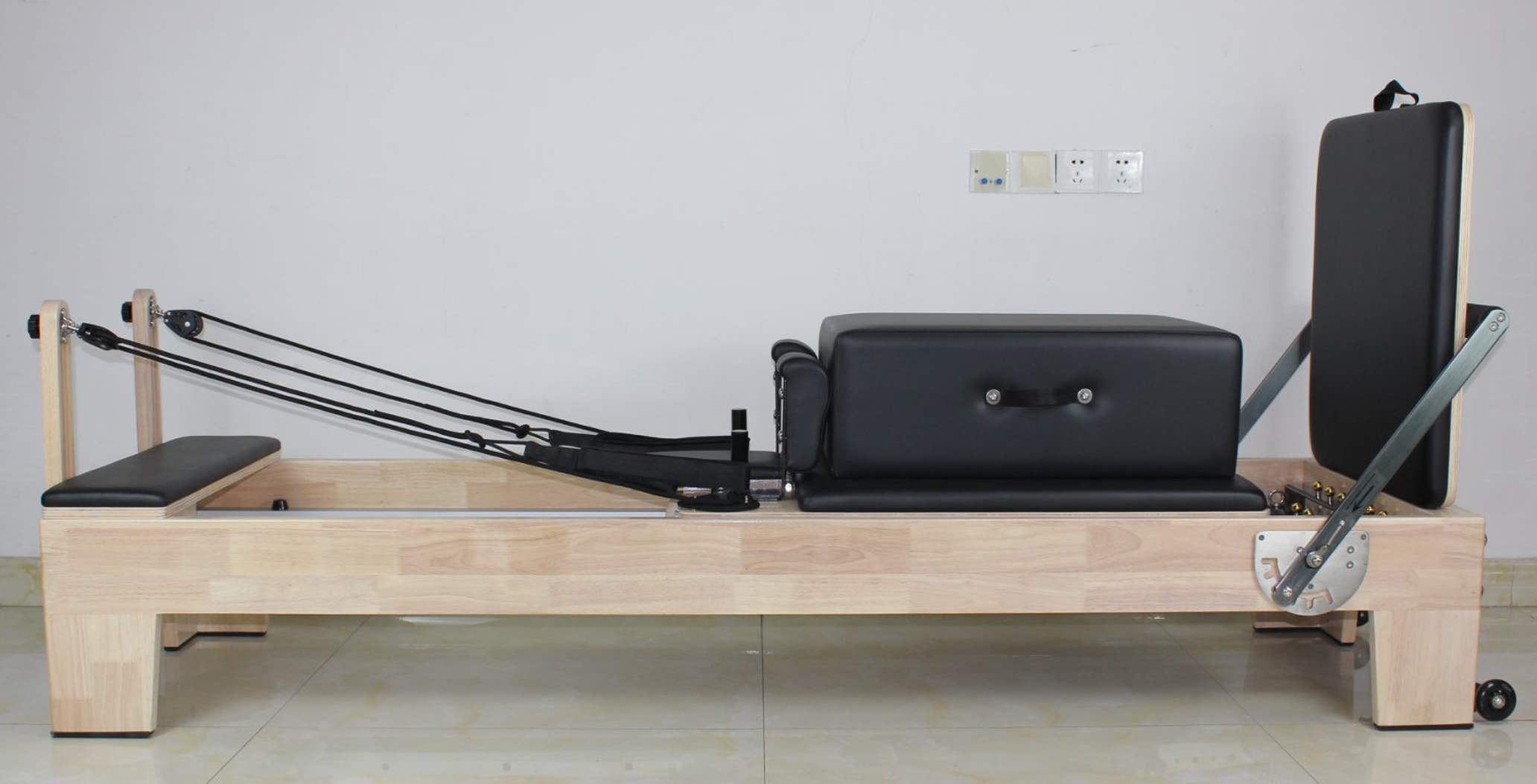
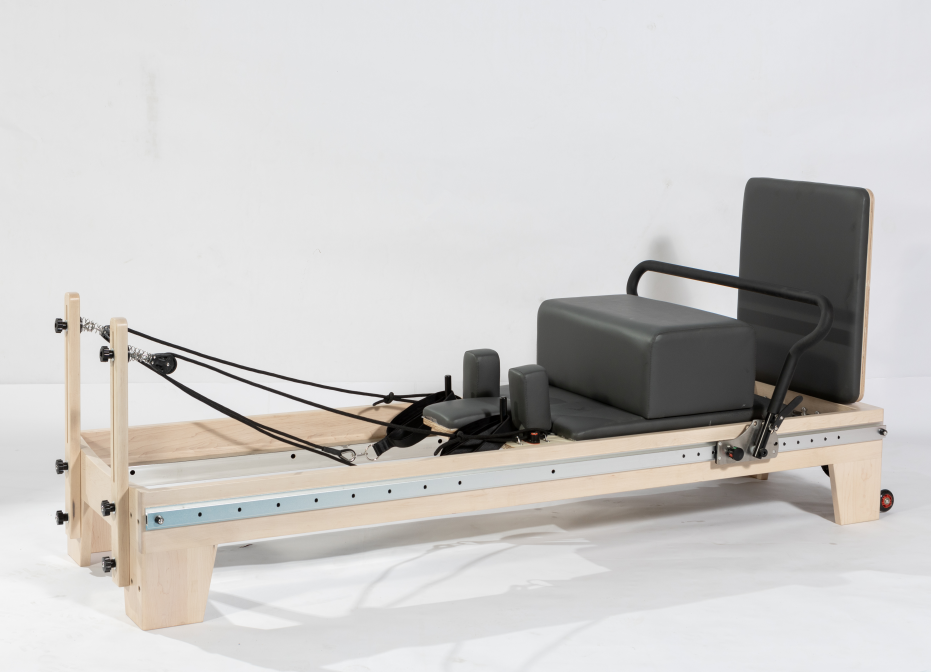
Maple: The Premium Precision Hardwood Maple is the gold standard for high-end sporting goods (including professional basketball courts and bowling alleys). It is a dense, closed-grain hardwood.
-
Exceptional Dimensional Stability: Maple has a tighter, finer grain structure than oak. It is highly resistant to warping, expanding, or contracting.
-
Smooth and Uniform: While slightly lighter than oak, it sacrifices zero strength. The closed grain allows for a flawless, ultra-smooth tactile experience.
-
Refined Structural Integrity: It is rigid and incredibly stable, providing a secure foundation that feels both robust and refined
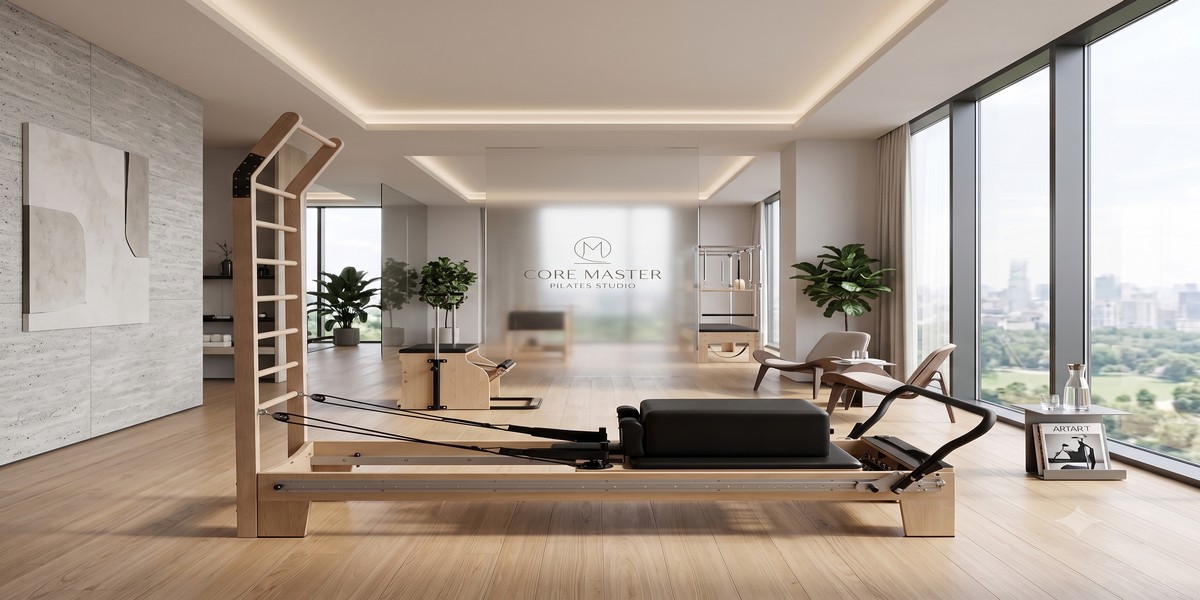
2. Aesthetics and Design Language
The reformer is the centerpiece of any Pilates studio. The choice between oak and maple will define the entire visual atmosphere of your space.
-
The Oak Aesthetic (Rustic & Natural): Oak possesses a distinct, highly visible grain pattern. It exudes a warm, earthy, and powerful presence. Because of its open grain, oak takes stains beautifully, allowing manufacturers to create rich, dark vintage finishes or weathered industrial looks. It is perfect for studios aiming for a natural, grounded, or classic atmosphere.
-
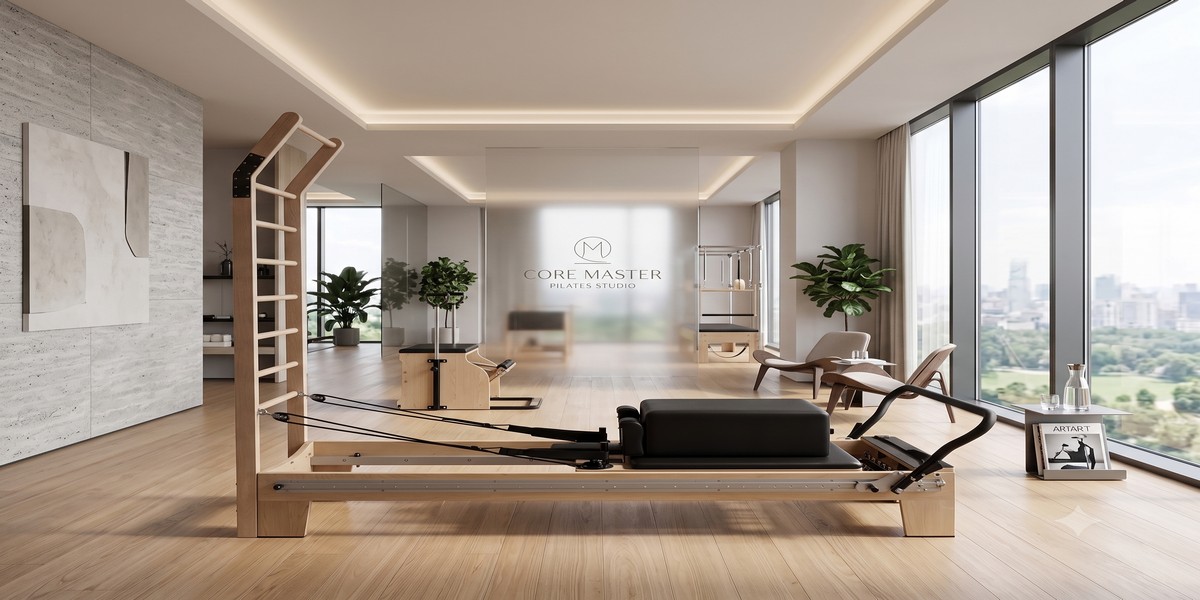
The Maple Aesthetic (Modern & Elegant): Maple is significantly lighter in color, offering a pale, creamy hue with a subtle, non-intrusive grain. It creates a bright, airy, and luxurious visual effect. Maple is almost exclusively finished with a clear coat to showcase its natural purity. It is the absolute favorite for modern, minimalist boutique studios and high-end VIP wellness centers.
3. Manufacturing Process & Acoustic Performance
What happens in the factory directly impacts what you hear and feel in the studio.
The Finishing Process Because oak has an "open grain," achieving a perfectly smooth surface requires meticulous sealing and sanding in the factory. If left slightly textured, it retains its natural grip. Maple, possessing a "closed grain," naturally sands down to a glass-like finish. When we apply our premium clear varnish, a maple reformer feels as smooth as polished jade, which prevents dust and sweat from settling into the pores.
Acoustics and Quiet Gliding A premium studio must be a sanctuary of focus. Solid wood naturally absorbs vibrations much better than metal frames.
-
Oak is excellent at absorbing low-frequency vibrations, offering a solid, muted thud that feels incredibly grounded.
-
Maple, with its tight cellular structure, provides a highly responsive acoustic feedback. The wheels of the carriage glide across a maple frame with a crisp, whisper-quiet smoothness, elevating the premium feel of every repetition.
4. Climate Adaptability & Maintenance
For international buyers importing equipment, climate adaptability is a massive concern.
Moisture Control (Kiln-Dried Technology) As a global exporter, all our wood—whether oak or maple—undergoes strict kiln-drying processes to achieve an optimal moisture content (typically between 8% and 10%). However, Maple holds a slight advantage in international shipping. Its superior dimensional stability means it is less likely to crack or warp when transported from a humid manufacturing hub to an extremely dry climate (like the Middle East) or vice versa.
Studio Maintenance
-
Oak: Its visible grain and textured surface are fantastic at hiding minor scratches, making it visually low-maintenance over the years.
-
Maple: Its glass-like, closed-grain surface makes daily cleaning effortless. A quick wipe-down with a studio-safe disinfectant leaves no residue, ensuring maximum hygiene.
5. Cost and Commercial Value
Both materials represent a high-value, long-term asset for your business. However, their pricing structures differ slightly:
-
Cost of Oak: Generally, oak provides a highly competitive price-to-performance ratio. It delivers maximum durability and a premium solid-wood feel at a slightly more accessible price point, making it a favorite for large-scale gym rollouts.
-
Cost of Maple: Maple reformers typically command a premium price. This is due to the higher raw material cost of premium-grade North American Maple, combined with the extensive sanding and polishing required to achieve its signature flawless finish.
Despite the initial investment, both woods boast an incredible ROI (Return on Investment). A well-maintained solid wood reformer will outlast metal alternatives by decades while retaining a much higher resale value. Furthermore, our factory sources all timber from FSC-certified sustainable forests, ensuring your studio meets global environmental standards.
6. The Final Verdict: Who Should Choose Which?
The "better" wood entirely depends on your studio's business model, target audience, and interior design.
🏆 Choose OAK if:
-
You run a high-traffic, multi-use commercial fitness facility.
-
Your equipment will face heavy, intense daily wear and tear.
-
Your studio's interior design leans toward natural, rustic, or industrial aesthetics.
-
You want unbreakable structural strength with a highly balanced investment budget.
💎 Choose MAPLE if:
-
You operate a luxury boutique Pilates studio, VIP private training room, or clinical rehab center.
-
You prioritize an elegant, modern, and minimalist visual aesthetic.
-
You want the ultimate smooth tactile experience and effortless daily cleaning.
-
You are willing to invest a premium for the highest dimensional stability and a luxurious "wow factor" that justifies higher membership fees.
Partner With a Professional Manufacturer
Whether you decide on the rugged strength of Oak or the refined elegance of Maple, the true quality of a Pilates Reformer lies in the engineering behind it.
As a direct factory manufacturer, we meticulously craft, dry, and assemble our reformers to meet the highest global commercial standards. We offer extensive customization, OEM branding, and secure international logistics.
[ Contact Our Sales Team Today ] Reach out to us to request our complete catalog, compare factory-direct pricing for Oak and Maple models, and let our engineering team help you build the perfect fleet of equipment for your business.
Pilates Reformer with Tower for Rehabilitation: Applications, Resistance & Equipment Selection
How to Use Pilates Reformer Springs: The Ultimate Guide for Studios and Practitioners
Related Article