Lagree vs. Reformer Pilates: A B2B Guide for Studio Owners & Distributors
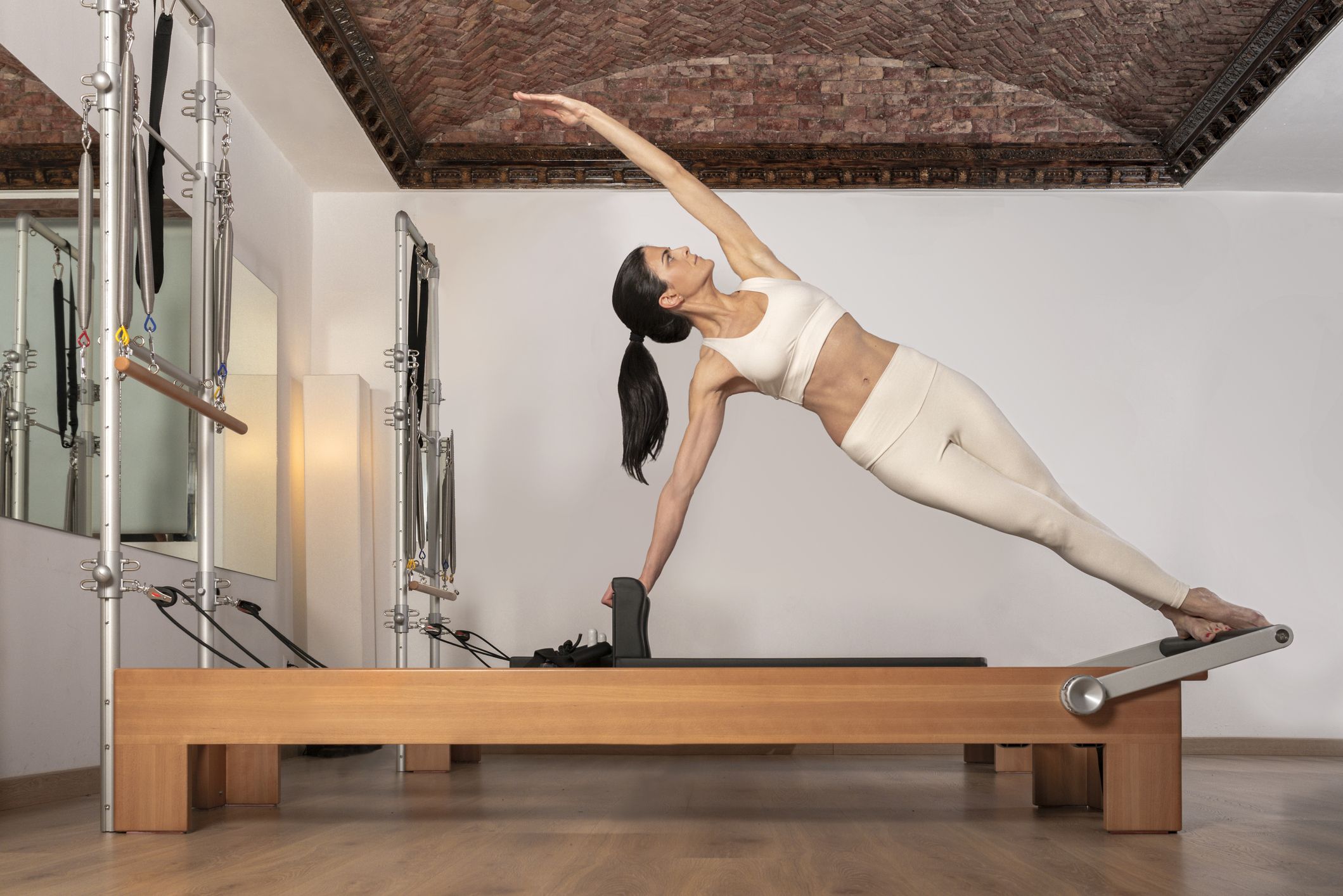
In the boutique fitness world, consumers frequently confuse Lagree Fitness with traditional Pilates. While both utilize a sliding carriage and spring resistance to deliver a low-impact workout, the similarities end there.
If you are a studio investor, franchise owner, or fitness equipment distributor, understanding the difference between Lagree vs reformer Pilates is not just about training philosophy—it is a critical business decision. The modality you choose dictates your floor plan, shipping logistics, target demographic, and ultimate return on investment (ROI).
As a direct manufacturer of commercial fitness equipment based in China, we look at these two workout styles through the lens of mechanical engineering and supply chain efficiency. Here is the ultimate B2B breakdown of Reformers versus Megaformers.
1. Core Philosophy: Mind-Body vs. High-Intensity
To understand the hardware, you must understand the goal of the workout.
-
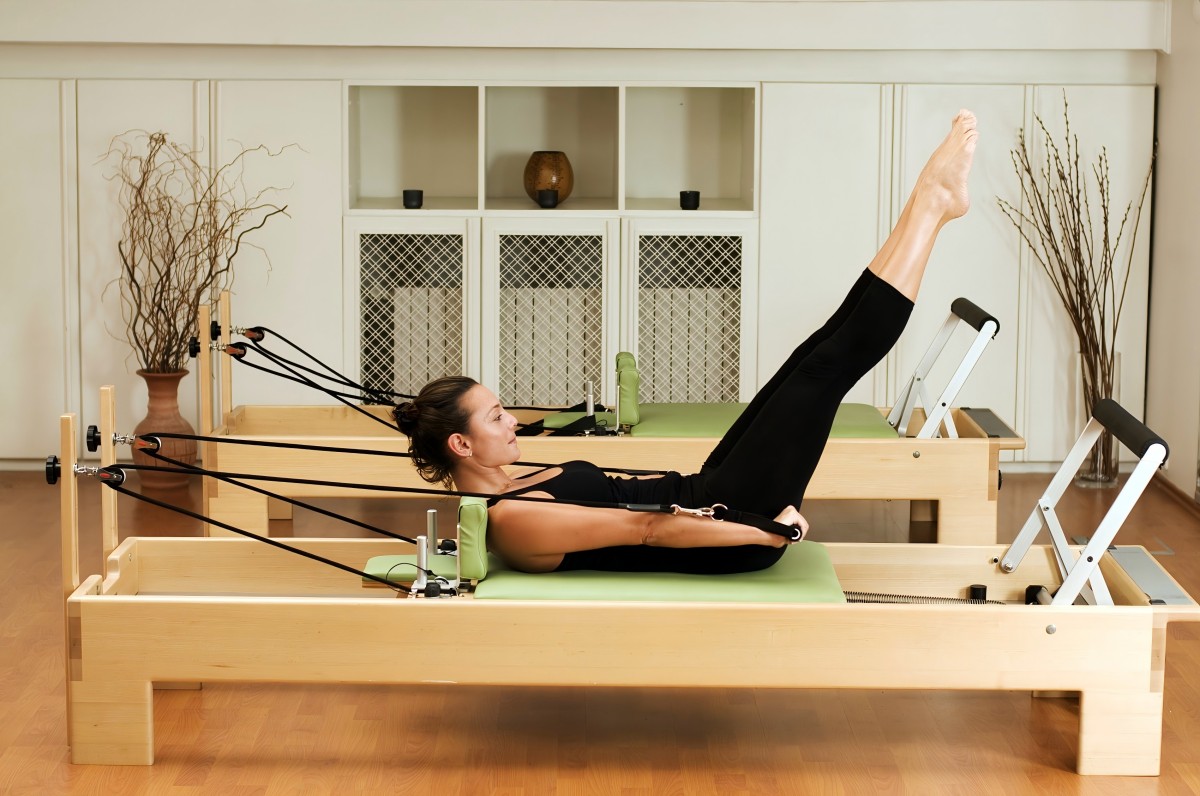
Reformer Pilates: Rooted in physical therapy and biomechanics, traditional Pilates focuses on the mind-body connection, spinal articulation, and intrinsic core stability. The movements are controlled, precise, and restorative.
-
Lagree Fitness: Lagree is essentially high-intensity interval training (HIIT) on a moving carriage. The philosophy is about muscle failure, continuous time under tension, and cardiovascular exhaustion. It is aggressive, fast-paced, and designed to make you sweat.
2. The Hardware: Reformer vs. Megaformer
The training philosophies dictate drastically different machine architectures.
-
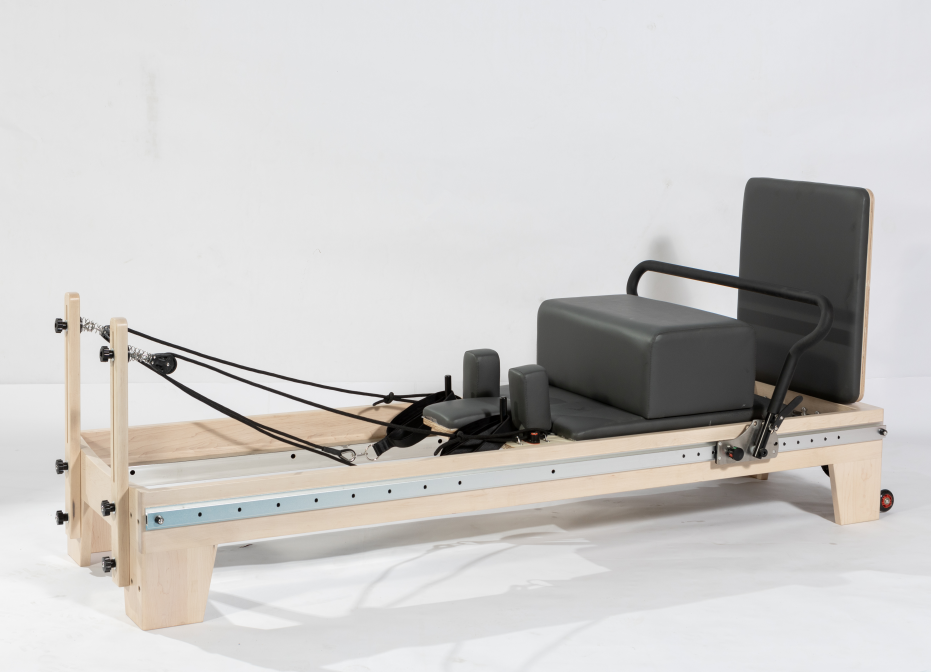
The Pilates Reformer: A standard commercial reformer is elegant and highly efficient. Measuring roughly 2.4 meters in length, it features a single adjustable footbar at one end and a carriage equipped with a standard 5-spring system. The frames are typically crafted from premium solid wood or lightweight aerospace-grade aluminum, offering a sleek, boutique aesthetic.
-
The Megaformer (Lagree): The Megaformer is an industrial heavyweight. It is significantly larger (often exceeding 3 meters in length) and heavily fortified to withstand aggressive HIIT workouts. It features large, fixed standing platforms on both ends of the machine, complex handlebar configurations, and a much heavier spring resistance system designed to force muscle fatigue.
3. Target Audience & Studio Vibe
Your choice of equipment dictates who walks through your doors.
-
Reformer Pilates Audience: This modality captures the widest possible demographic. Your clientele will range from young professionals and pregnant women to elderly individuals and athletes recovering from injuries. The customer lifecycle is incredibly long because the workout is sustainable for life.
-
Lagree Audience: Lagree targets the high-intensity crowd—those who typically gravitate toward CrossFit, heavy weightlifting, or intense boot camps but want a low-impact alternative. While highly dedicated, this is a narrower, more fitness-hardened demographic.
4. Space Efficiency & B2B Logistics (The ROI Factor)
For a B2B buyer, this is the most critical difference between Lagree vs reformer Pilates. Space is money.
-
Studio Footprint : Because Megaformers are massive, they consume significantly more floor space. In a 60-square-meter studio room, you might comfortably fit 10 to 12 traditional Pilates Reformers. In that exact same space, you may only fit 6 to 7 Megaformers. This directly caps your maximum revenue per group class.
-
Shipping Volume (CBM): If you are importing equipment, international ocean freight is calculated by volume (Cubic Meters). Standard Pilates reformers are highly modular; they can be flat-packed tightly or stacked inside a shipping container, averaging about 0.8 to 1.0 CBM per unit. Megaformers are incredibly bulky, difficult to break down, and consume massive amounts of container space, driving up your per-unit landed cost significantly.
5. The Manufacturing Advantage: Customizing Your Fleet
Whether you want to open a traditional Pilates studio or launch a high-intensity carriage-based fitness brand, sourcing your equipment directly from a factory gives you ultimate control over your hardware.
Working with a true manufacturer means you aren't restricted to off-the-shelf models. Need a standard solid wood reformer? We build it. Need to customize a reformer with a wider base, heavier springs, and custom platforms to mimic a high-intensity Lagree-style workout without the massive Megaformer footprint? A factory with OEM capabilities can engineer exactly what your business model requires.
Equip Your Studio for Maximum ROI
Understanding the business mechanics behind Lagree vs reformer Pilates ensures you invest in the right machinery for your space and your clientele.
Operating from Tianjin, China, we specialize in manufacturing premium, commercial-grade Pilates reformers. Whether you are outfitting a boutique mind-body studio or developing custom hardware for a high-intensity concept, we deliver precision engineering directly to your door without the retail markup.
Ready to optimize your studio's floor plan and logistics? Send an email to Naisen and our Tianjin export team today. Let us provide you with our full product catalog, calculate your exact ocean freight CBM, and secure your direct factory wholesale quote!
Pilates Reformer Machine Size: The Ultimate Guide for Studio Planning & Logistics
The Ultimate Guide to Reformer Pilates for Beginners: Tips, Gear, and Where to Buy
Related Article