How to Choose the Best Foldable Pilates Reformer for Small Spaces
However, compact design often comes with structural trade-offs. Choosing the right foldable reformer requires carefully balancing space-saving features with stability and resistance quality. Here is the ultimate buyer’s guide on how to choose a foldable Pilates reformer that fits under your bed without compromising your workout.
1. Measure Twice, Fold Once: Dimensions & Storage
Before looking at resistance systems or frame materials, you must calculate your exact spatial footprint.
-
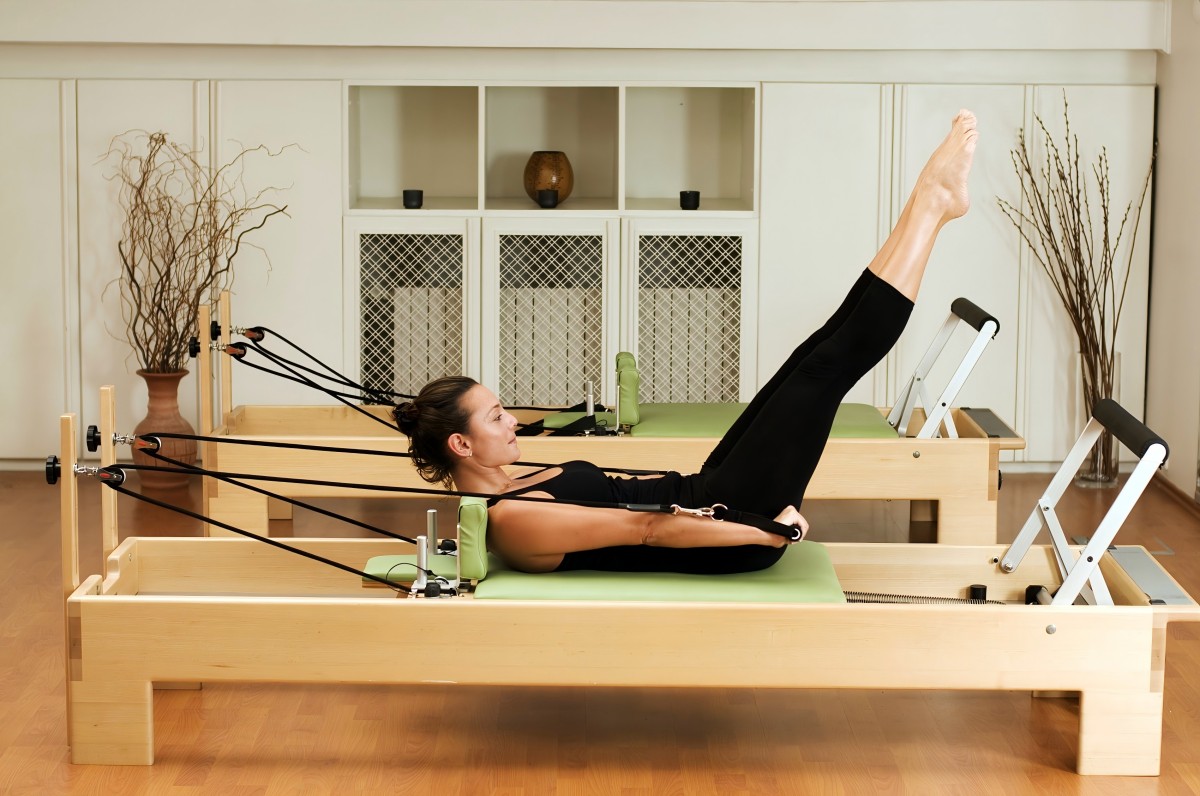
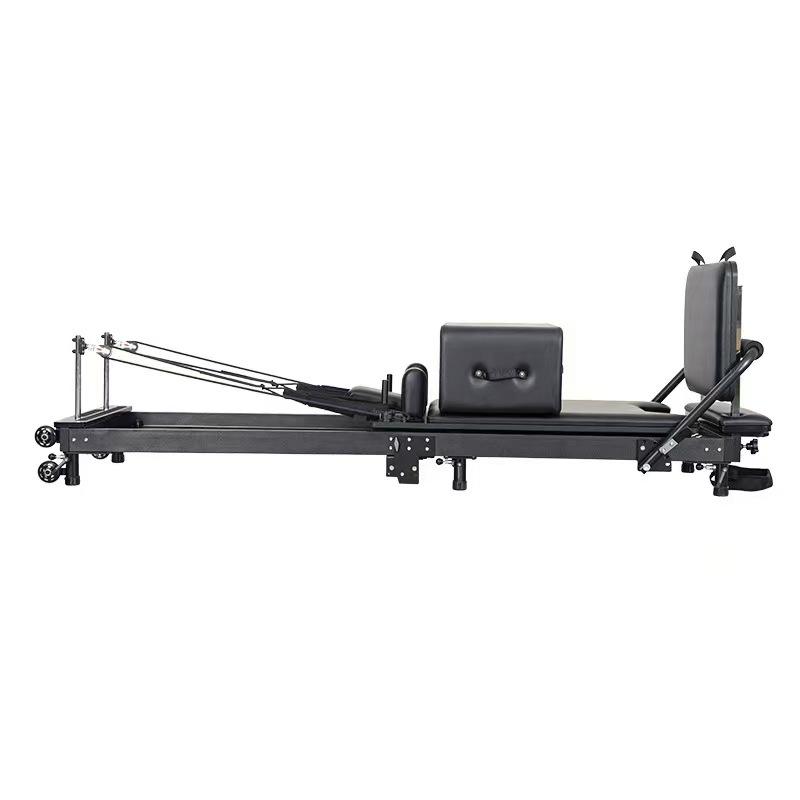
Active Footprint (Unfolded): An average foldable reformer requires about 80 to 95 inches in length and 24 to 26 inches in width when fully extended. Ensure you have an additional 2 feet of clearance on all sides for full range of motion (arm and leg sweeps).
-
Storage Footprint (Folded): Look closely at the folded dimensions. Does the frame fold completely in half, or does it stand vertically?
-
Transit Wheels: A foldable machine is useless if you cannot move it. Ensure the reformer is equipped with high-density polyurethane (PU) transit wheels at the base, allowing you to easily roll it into a closet or under a sofa.
2. The Resistance System: Bungee Cords vs. Metal Springs
This is the most critical decision you will make. The resistance system defines the entire "feel" of your Pilates workout.
Elastic Bungee Cords (Entry-Level)
-
Pros: Extremely lightweight, making the machine easy to fold and lift. Generally much cheaper.
-
Cons: Cords provide progressive resistance (they get exponentially harder the further you pull), which alters classical Pilates biomechanics. They also degrade and lose elasticity over time.
Color-Coded Steel Springs (Commercial Feel)
-
Pros: Delivers the authentic, fluid, and linear resistance you feel in a commercial studio. High-fatigue steel springs last significantly longer than cords.
-
Cons: Metal springs add considerable weight to the machine, making the folding process slightly heavier.
Pro Tip for Buyers: If your budget allows, always prioritize a foldable reformer with a metal spring system. It is the single biggest factor in replicating a true studio workout at home.
3. Frame Material & Structural Stability
A common issue with cheap foldable reformers is the "hinge wobble"—the machine dips or squeaks in the middle where it folds.
-
Aviation-Grade Aluminum: The absolute best material for a foldable reformer. Aluminum provides a rigid, wobble-free workout while keeping the total weight manageable for a single person to lift and fold.
-
Steel Frames: Very sturdy and cost-effective, but heavy. Folding a steel reformer often requires more physical effort.
-
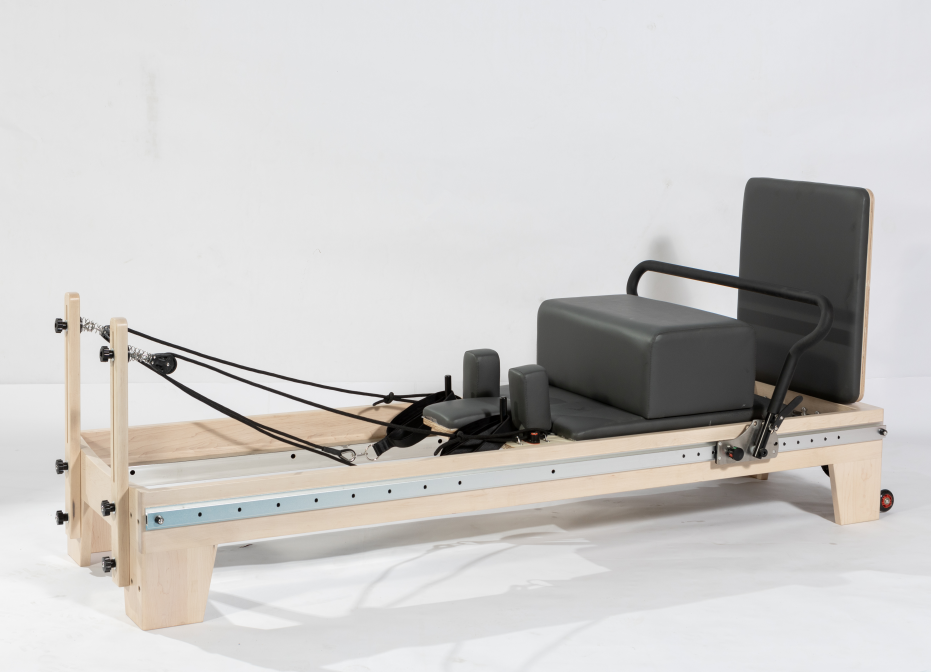
Wood Frames: While beautiful and highly stable, solid wood (like Maple) is generally too heavy and bulky for a true foldable, small-space design.
4. Carriage Glide and Track Design
When you are lying on the carriage, you should not feel the hinge where the machine folds.
Ensure the reformer features a seamless aluminum track system with enclosed ball-bearing wheels. This prevents the carriage from bumping or clicking as it rolls over the center fold, ensuring a whisper-quiet glide that won't disturb your downstairs neighbors.
Quick Comparison: Foldable vs. Standard Studio Reformers
| Feature | Foldable Reformer (Small Space) | Standard Studio Reformer |
| Space Required | Very Low (Can be stored under a bed/in a closet) | High (Requires dedicated permanent floor space) |
| Weight | 35 lbs – 75 lbs (Lightweight & Mobile) | 140 lbs – 200+ lbs (Heavy & Stationary) |
| Frame Hinge | Yes (Center-fold or vertical stand design) | No (Solid, single-piece frame) |
| Best For | Apartments, home gyms, traveling instructors | Commercial gyms, boutique studios, rehab clinics |
Source Premium Foldable Reformers Direct from the Factory
Finding a foldable reformer that strikes the perfect balance between lightweight storage and heavy-duty stability can be difficult. Buying direct from a reputable manufacturer ensures you get commercial-grade engineering at a fraction of the retail cost.
As a premium Pilates equipment manufacturer based in China, we engineer state-of-the-art foldable reformers designed specifically for the modern home and mobile instructor. We utilize aerospace-grade aluminum frames, ultra-quiet carriage wheels, and true studio-grade metal springs to deliver a flawless workout without the massive footprint.
Why Partner With Us?
-
Wholesale Factory Pricing: Whether you are buying a single unit for your apartment or bulk-ordering for a retail distribution business, you bypass all middleman markups.
-
No-Compromise Quality: Our foldable models feature patented hinge designs to completely eliminate center-wobble during jumpboard or standing exercises.
-
Global Door-to-Door Delivery: We handle all international logistics, customs, and freight, delivering your equipment directly to your doorstep.
Looking to maximize your small space with premium equipment? Contact our export team today for our latest foldable reformer catalog and a custom shipping quote!
Where to Buy Pilates Reformers with Adjustable Resistance: Sourcing Direct from a China Manufacturer
Related Article