How to Build a Pilates Reformer Machine: Inside the Factory Engineering
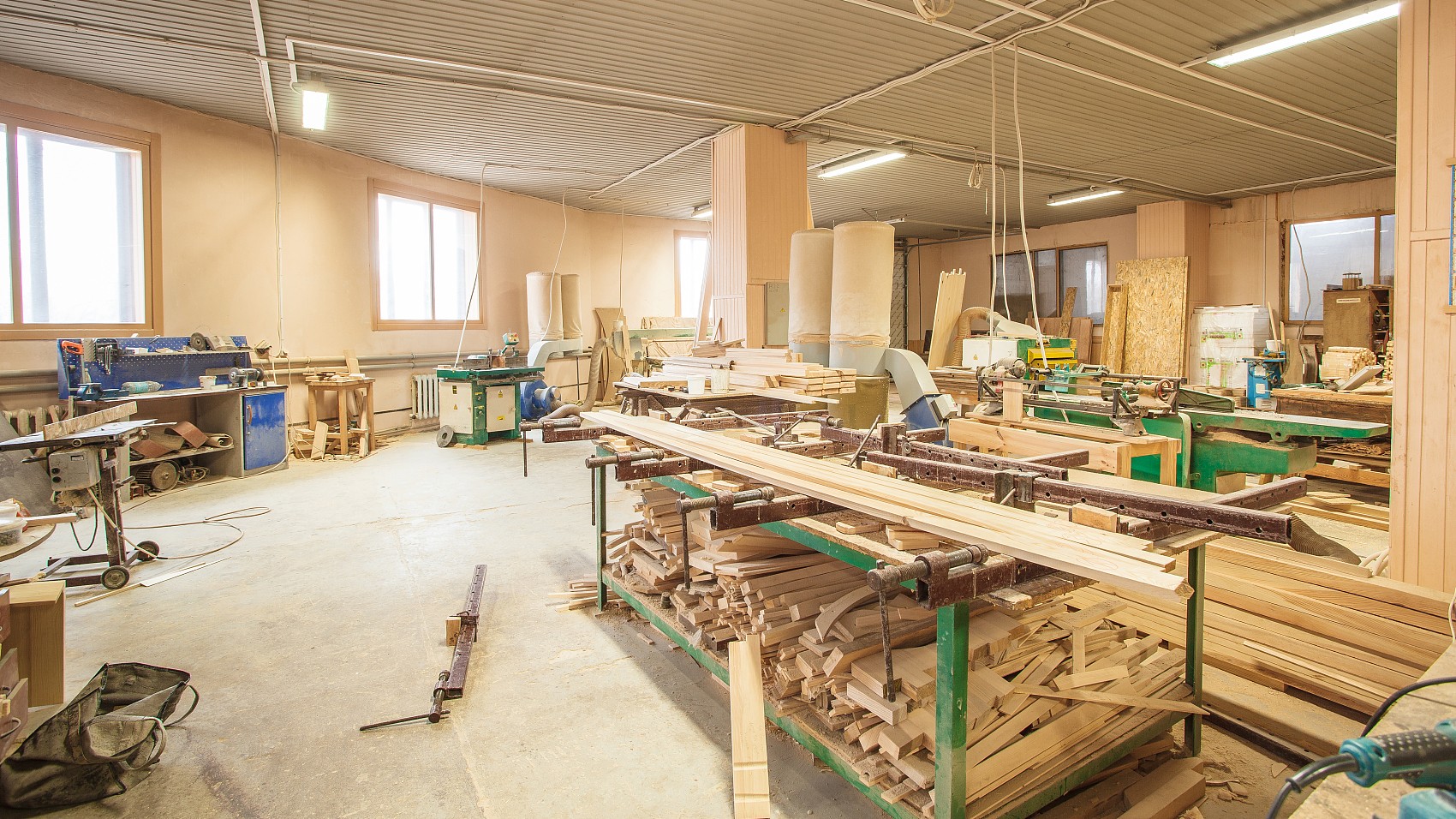
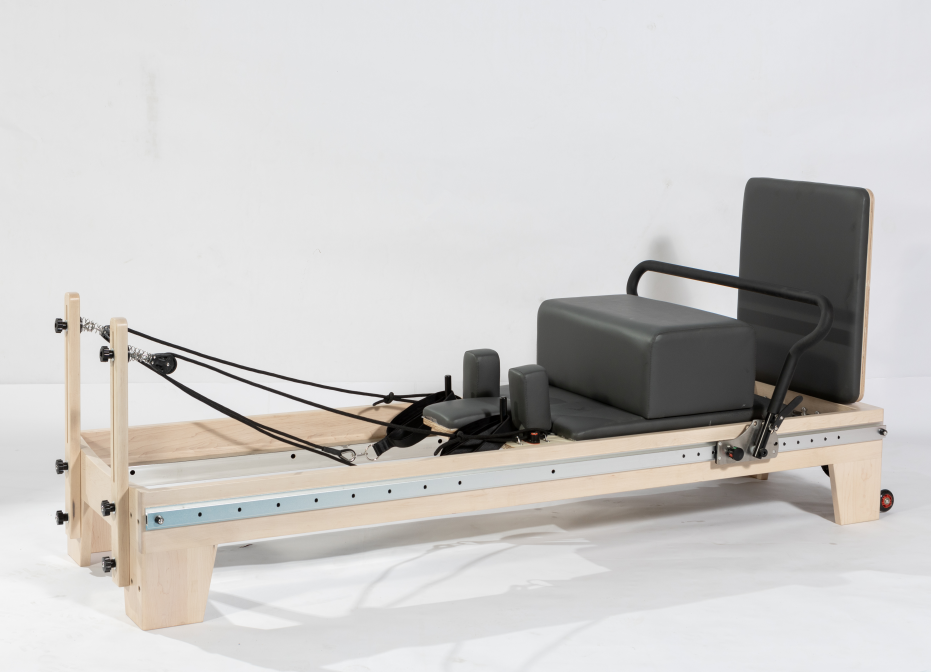
When looking at the sleek design of commercial studio equipment, many fitness enthusiasts and entrepreneurs wonder how to build a Pilates reformer machine. On the surface, it might look like a simple combination of a wooden frame, some wheels, and a few springs.
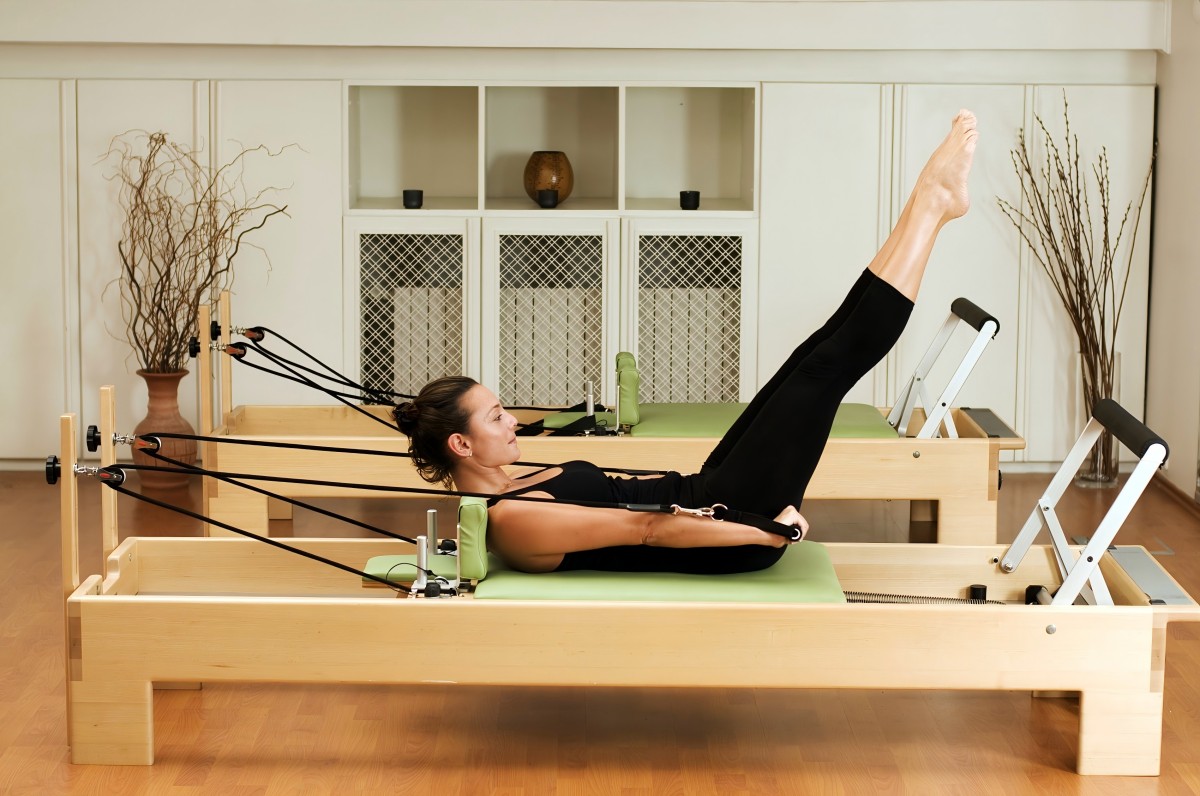
However, a commercial Pilates reformer is a highly sophisticated piece of biomechanical engineering. It must support hundreds of kilograms of dynamic, moving weight while maintaining a whisper-quiet, frictionless glide.
As a leading manufacturer of premium Pilates equipment, we know exactly what goes into constructing these machines. Whether you are a curious DIYer or a B2B buyer wanting to understand what you are paying for, here is a behind-the-scenes look at the four core engineering steps required to build a world-class Pilates reformer.
1. Engineering the Frame: The Pursuit of Absolute Stability
The most common mistake people make when researching how to build a Pilates reformer machine is underestimating the structural stress the frame will endure. A frame built from standard pine or basic plywood will warp, creak, and eventually crack under the tension of heavy springs and body weight.
-
The Factory Standard: To achieve absolute stability, premium manufacturers utilize 28mm to 35mm thick imported Solid Maple or Oak. These hardwoods offer natural shock absorption and immense tensile strength.
-
Metal Alternatives: For modern commercial settings, frames are built using aerospace-grade die-cast aluminum.
-
The Construction: The wood cannot simply be screwed together. Factory construction relies on advanced mortise-and-tenon joinery and industrial-grade adhesives to ensure the frame remains rigid and silent for decades of high-frequency use.
2. Perfecting the Glide: Tracks and Carriage Wheels
The hallmark of a luxury Pilates machine is a silent, frictionless carriage ride. Achieving this is the most difficult part of the manufacturing process. A tolerance error of just a single millimeter will cause the carriage to grind, bump, or rattle.
-
The Track System: Standard hardware store aluminum tracks will develop deep grooves over time. We engineer our machines using 1.5mm to 2mm thick 304 stainless steel seamless tracks.
-
The Wheels: A smooth ride requires an advanced 8-wheel or 10-wheel polyurethane (PU) bearing system. This system uses vertical load-bearing wheels to support the user's weight, combined with horizontal stabilizing wheels that hug the sides of the track to prevent any lateral swaying.
3. The Resistance Engine: Calibrating the Springs
If you are trying to build a machine at home, buying springs from a local hardware store is a critical safety hazard. Standard carbon steel springs stretch unevenly, suffer from rapid metal fatigue, and can snap under pressure.
-
The Factory Standard: The resistance engine must deliver a perfectly linear pull. Commercial machines use fatigue-tested imported springs (such as specialized Korean or German springs).
-
Calibration: These springs are scientifically calibrated and color-coded to provide exact poundages of resistance. This ensures that whether a client is using a heavy red spring for leg presses or a light yellow spring for rotator cuff rehabilitation, the tension is precise and secure.
4. Upholstery and Ergonomics: The Premium Touch
A reformer is not just steel and wood; it must be exceptionally comfortable and hygienic.
-
The Foam: Standard mattress foam compresses permanently over time. Factory-built reformers utilize precisely cut high-resilience EVA foam, which supports the spine and joints without bottoming out.
-
The Leather: The upholstery must endure sweat, friction, and constant cleaning. We wrap our carriages and accessories entirely by hand using 1.2mm tear-resistant Microfiber Leather. It provides a luxurious, sweat-proof grip that outlasts standard PVC or PU leathers by years.
5. DIY vs. Factory Direct: Is Building It Yourself Worth It?
While researching how to build a Pilates reformer machine is a great way to understand the mechanics, actually building one yourself presents massive challenges. The cost of sourcing individual stainless steel tracks, high-grade maple, and specialized springs often exceeds the cost of a finished machine. More importantly, DIY machines carry significant safety liabilities for commercial studios.
For studio owners and fitness distributors, the smartest way to "build" your equipment is to partner directly with a premium source factory. This unlocks OEM customization. We build the machines to order—meaning you can customize the leather colors to match your brand and have your studio's logo laser-engraved directly into the solid wood frames, giving you a custom-built product without the manufacturing headache.
Source Your Custom-Built Reformers Today
Building a true commercial Pilates reformer is an art form that combines biomechanics, advanced woodworking, and precision metal fabrication.
Located in Tianjin, China, we are a direct manufacturer providing global B2B buyers with access to top-tier, factory-direct Pilates equipment. We handle the engineering, so you can focus on growing your business.
Ready to bypass the DIY route and source premium commercial equipment? Send an email to Naisen and our Tianjin export team today. Request our complete product catalog, explore our custom OEM capabilities, and secure your direct factory wholesale quote!
The Ultimate Guide to Choosing a Pilates Reformer Machine for Studio (2026 Trends)
The Origin of the Pilates Reformer: From Hospital Beds to Modern Engineering
Related Article