Best Material for Pilates Reformer Wood or Metal: A Manufacturer's Guide
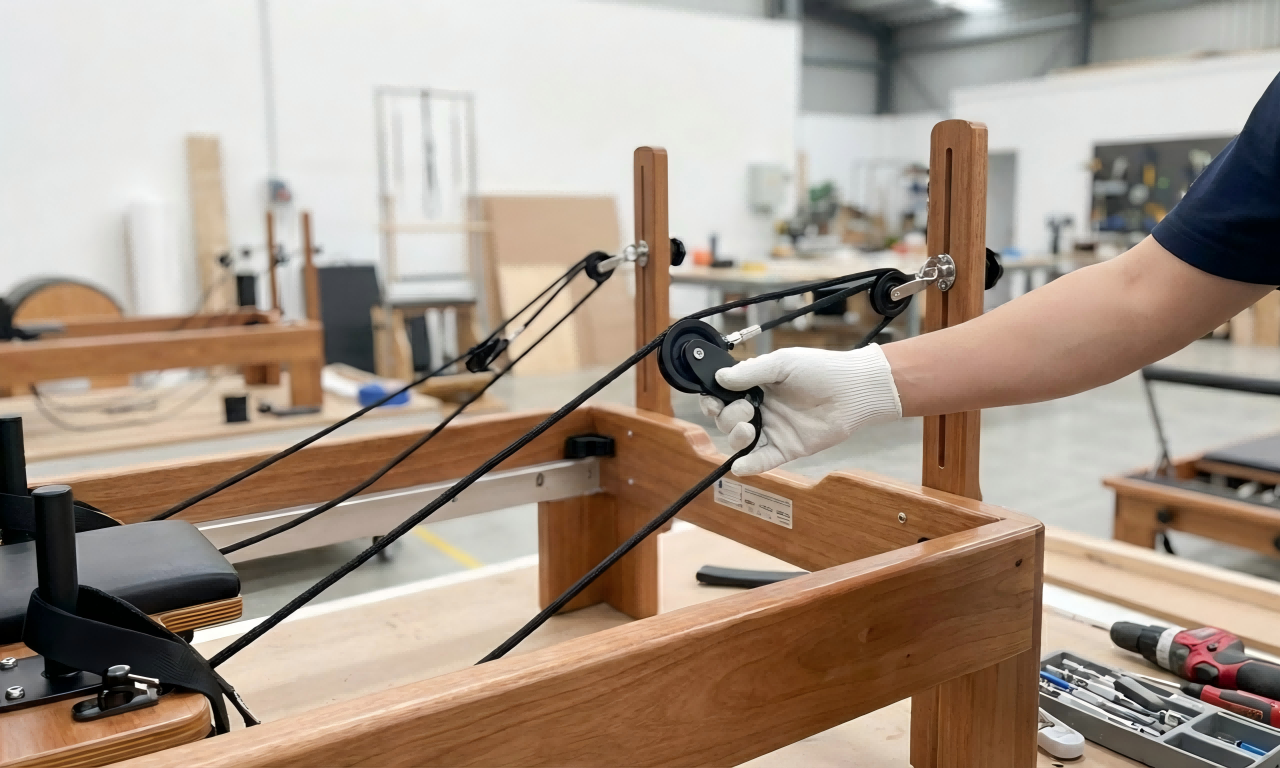
The Pilates industry is expanding rapidly, and studio owners, physiotherapists, and equipment distributors are constantly seeking the highest-quality apparatuses for their clients. When sourcing equipment, the most frequent engineering question we receive on the factory floor is regarding the best material for pilates reformer wood or metal.
Both materials offer distinct advantages, and the "best" choice heavily depends on your specific business model, studio aesthetic, and target clientele. As a direct manufacturer of premium commercial Pilates equipment, here is our definitive breakdown of both materials.
The Case for Wood: Classic Elegance & Ultimate Stability
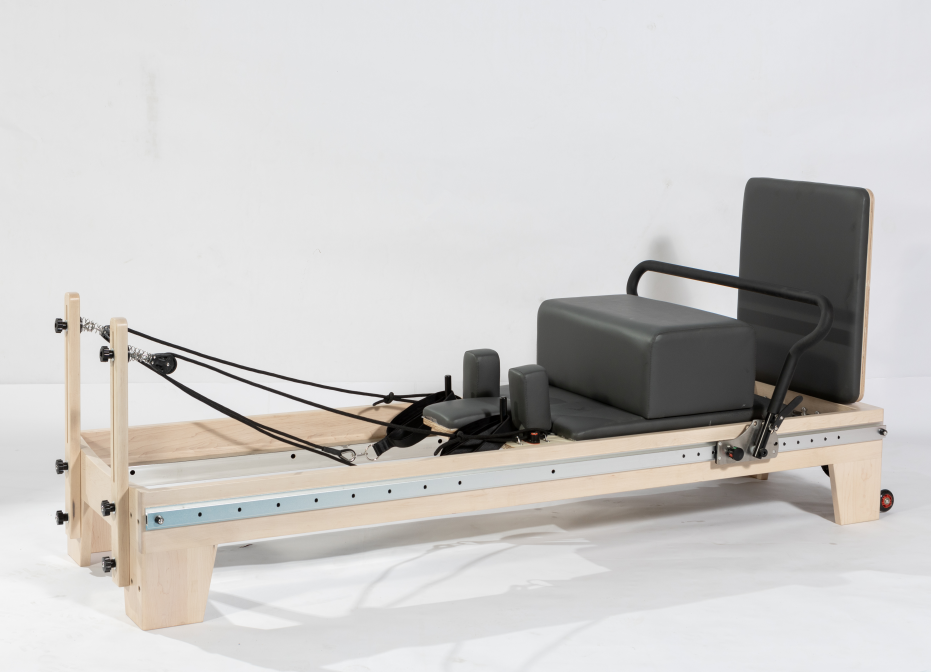
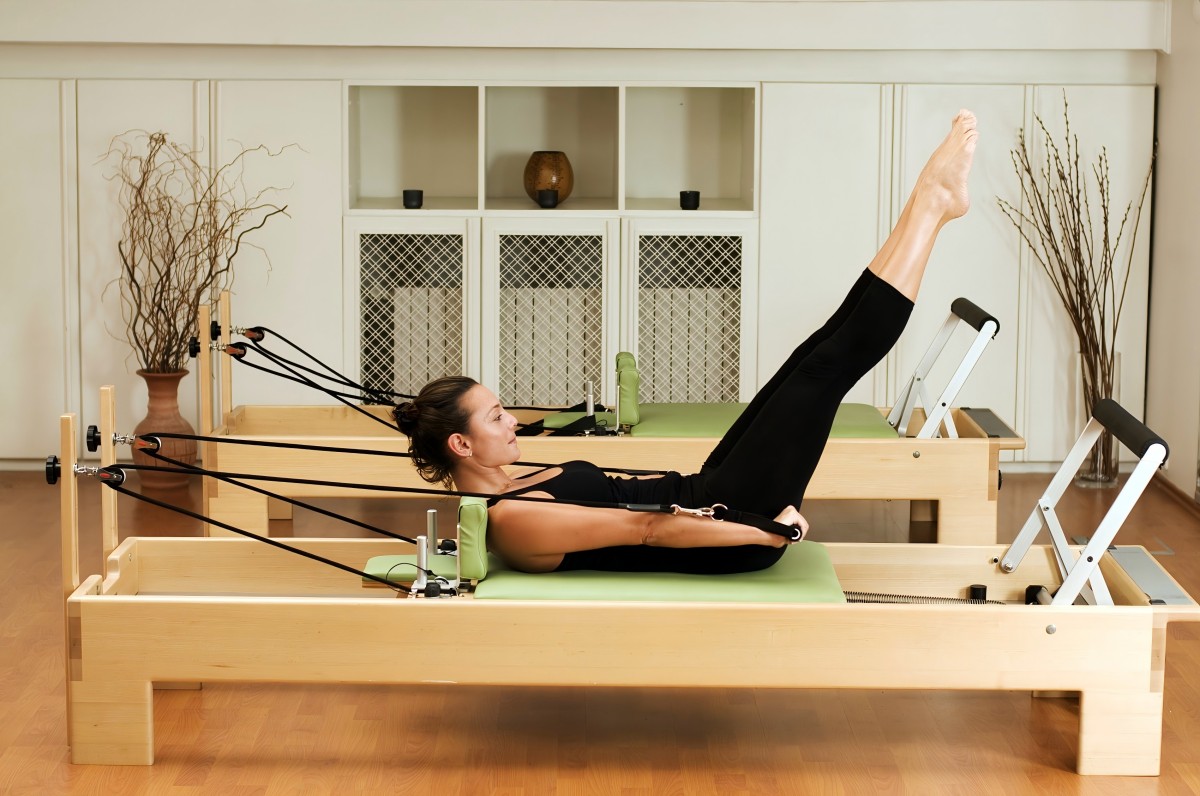
Traditionally, Joseph Pilates designed his original apparatuses using wood. Today, high-end commercial wood reformers are typically crafted from dense, kiln-dried timber such as Solid Hard Maple or Premium Oak.
The Advantages of Wood
-
Unmatched Aesthetic Appeal: Wood brings a warm, luxurious, and natural feel to any space. It transforms a piece of exercise equipment into a piece of fine furniture, making it highly desirable for boutique studios, luxury hotels, and premium home gyms.
-
Superior Vibration Absorption: High-density woods (such as hard maple, which boasts a density of up to 750 kg/m³) are naturally excellent at absorbing shock. This means that during intense, dynamic carriage glides or jumpboard work, the frame remains whisper-quiet and rock-solid.
-
Exceptional Screw-Holding Power: For combo machines or reformers with half-towers, dense solid wood provides a secure, heavy-duty foundation that safely anchors stainless steel canopy pipes without frame flex.
The Considerations
-
Weight & Immobility: Solid wood reformers are incredibly heavy. Once assembled in a studio, they are meant to stay in place. They are not ideal for multi-purpose rooms that require equipment to be stacked or moved frequently.
-
Climate Sensitivity: While commercial-grade clear coatings protect the wood, timber is still a natural material that can expand or contract slightly in environments with extreme humidity or temperature fluctuations.
The Case for Metal: Modern Precision & Versatility
Modern metal reformers are primarily constructed from Aerospace-Grade Extruded or Die-Cast Aluminum, sometimes paired with stainless steel components. They represent the high-tech evolution of Pilates equipment.
The Advantages of Metal
-
Sleek, Contemporary Design: Metal frames offer a clean, industrial, and highly professional "gym-like" aesthetic. They fit perfectly into modern, high-energy fitness centers and physiotherapy clinics.
-
Lightweight Portability: Aluminum is incredibly strong yet significantly lighter than solid oak or maple. Metal reformers often feature built-in wheels and are much easier for studio staff to move, stack, or store vertically.
-
Total Climate Resistance: Aluminum is entirely impervious to humidity, moisture, and temperature changes. It will never warp, crack, or expand, making it ideal for studios in tropical climates or facilities that lack strict climate control.
The Considerations
-
Acoustic Differences: While high-end aluminum reformers are engineered to be silent, cheaper metal frames can sometimes amplify the sound of the rolling carriage or spring tension slightly more than a heavy wooden base.
-
Visual Warmth: Metal can feel "colder" and more clinical compared to the inviting, natural texture of real wood.
Quick Comparison Matrix
| Feature | Solid Wood (Maple / Oak) | Metal (Die-Cast Aluminum) |
| Studio Aesthetic | Warm, luxurious, boutique | Modern, sleek, clinical |
| Weight & Mobility | Very heavy; designed to remain stationary | Lighter; often easy to move and stack |
| Vibration & Sound | Excellent natural shock absorption | Highly stable, precision-engineered |
| Climate Durability | Requires stable humidity (indoor use) | 100% resistant to moisture and warping |
| Best Suited For | Luxury studios, VIP rooms, dedicated home gyms | High-traffic commercial gyms, multi-use rooms |
The Verdict: Which Material is Best for Your Business?
So, what is the best material for pilates reformer wood or metal? The answer lies in your commercial goals:
-
Choose Solid Wood if: You are building a high-end boutique studio, a VIP private training room, or catering to clients who expect a luxurious, grounded, and traditional Pilates experience.
-
Choose Metal (Aluminum) if: You run a high-traffic, modern fitness center, require equipment that can be easily moved to open up floor space for other classes, or operate in a highly humid climate.
Source Directly from the Manufacturer
Whether you prefer the extreme density and beauty of Maple or the cutting-edge precision of Aluminum, your best investment strategy is to bypass the middleman. By sourcing directly from a commercial manufacturer, you secure rigorous factory quality control, true commercial-grade materials, and full OEM customization for your brand.
Ready to outfit your studio or upgrade your distribution catalog? Contact our export team today to explore our full range of both premium Wood and Aluminum Pilates Reformers!
The Ultimate Guide: What to Look for When Buying a Pilates Reformer
Wood vs Metal Pilates Reformer for Home Use Comparison
Related Article